

PetsFollower
Wednesday, May 13, 2026
  • Home
  • Birds
    • Chickens
    • Ducks
    • Geese
    • Parakeets
  • Cats
  • Dog
  • Other Pets
    • Amphibians
    • Aquarium
    • Goats
    • Horses
  • Pets Care
  • Raccoons
  • Rats
  • Reptiles
    • Bearded Dragons
    • Leopard Geckos
  • Small Pets
    • Chinchillas
    • Ferrets
    • Guinea Pigs
    • Hamsters
    • Rabbits
  • About Us
  • Contact Us
No Result
View All Result
  • Home
  • Birds
    • Chickens
    • Ducks
    • Geese
    • Parakeets
  • Cats
  • Dog
  • Other Pets
    • Amphibians
    • Aquarium
    • Goats
    • Horses
  • Pets Care
  • Raccoons
  • Rats
  • Reptiles
    • Bearded Dragons
    • Leopard Geckos
  • Small Pets
    • Chinchillas
    • Ferrets
    • Guinea Pigs
    • Hamsters
    • Rabbits
  • About Us
  • Contact Us
No Result
View All Result
PetsFollower
No Result
View All Result
Home Pets Care

6 HVAC Tips for Pet Owners to Improve Air Quality and System Efficiency

Wesley J Swank by Wesley J Swank
March 30, 2026
in Pets Care
Reading Time: 5 mins read
0
0
SHARES
23
VIEWS
Share on FacebookShare on Twitter
HVAC Tips for Pet Owners

If you share your home with pets, you already know how quickly fur and dander can spread across floors, furniture, and even into your HVAC system. While your furry companion brings comfort and joy, their shedding can negatively impact airflow, indoor air quality, and the performance of your cooling system.

Over time, pet hair can clog vents and filters, forcing your HVAC unit to work harder than necessary. This added strain may eventually lead to expensive maintenance or even the need for air conditioning installation services in Denver, CO, or a provider closer to your location. Fortunately, routine pet care, cleaning, and preventive HVAC maintenance can help reduce these risks significantly.

RELATED POSTS

Paws, Hooves, and Fins: How Animals Aid in Post-Flood Resilience

5 Heartwarming Pet Farewell Rituals That Echo the Earth’s Eternal Embrace

1. Sweep and Vacuum Your Home Frequently

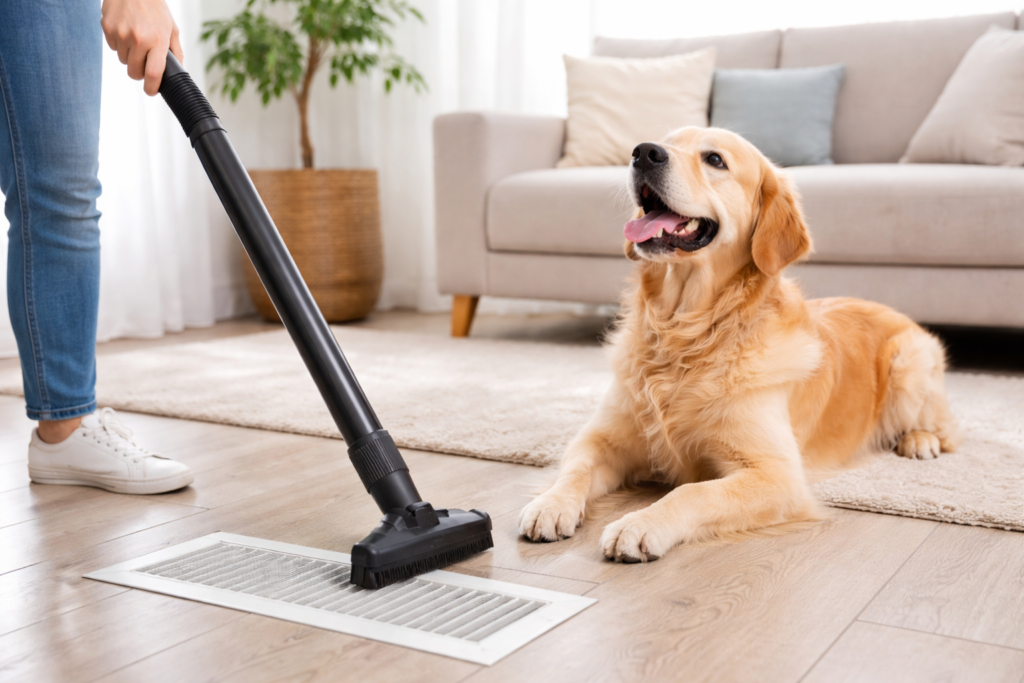
Regular sweeping and vacuuming help prevent pet fur from accumulating inside vents and duct systems. Even when shedding is not immediately visible, tiny particles can circulate through your air system and settle inside filters.

Using a vacuum with upholstery attachments allows you to clean carpets, curtains, sofas, and pet resting areas more effectively. This simple habit improves airflow and helps maintain cleaner indoor air.

2. Create a Dedicated Space for Your Pet

Designating a specific area for your pet to rest can significantly reduce the spread of fur throughout your home. Whether it’s a pet bed, blanket, or favorite corner of the couch, keeping shedding contained makes cleaning easier and protects your HVAC system.

This strategy also helps maintain better hygiene across shared living spaces while improving overall airflow efficiency.

3. Bathe Your Pet Regularly

Routine bathing reduces loose fur and airborne dander, both of which can clog HVAC filters and circulate allergens indoors. Cleaner pets contribute to healthier indoor air and improved system performance.

If allergies are a concern, installing a whole-home air filtration system connected to your ductwork can help remove microscopic particles and improve respiratory comfort for your household.

4. Schedule Consistent Grooming Sessions

Frequent brushing removes dead hair before it enters your home’s ventilation system. Grooming also supports healthier skin and coats by distributing natural oils evenly.

According to insights on pet’s overall health, regular grooming contributes to long-term wellness and cleanliness. If time is limited, scheduling appointments with a professional groomer ensures your pet stays well maintained year-round.

5. Replace Air Filters Every 90 Days — or More Often

Air filters trap pet hair, dust, and airborne allergens before they circulate through your home. Replacing filters every 90 days is recommended for most households, but pet owners may benefit from replacing them monthly during heavy shedding seasons.

Homes with multiple pets or high-shedding breeds should monitor filters more frequently to maintain strong airflow and system efficiency.

6. Keep Vents and Ductwork Clean

Pet fur can easily collect inside vents and duct systems, restricting airflow and reducing HVAC efficiency. Regularly inspecting and cleaning visible vents helps maintain proper air circulation.

Because deep duct cleaning requires specialized tools, professional services are often the best option. Homes with heavy shedders may require more frequent maintenance to keep systems operating smoothly.

In addition to routine cleaning, scheduling HVAC tune-ups twice per year ensures optimal system performance and helps prevent unexpected breakdowns during extreme weather conditions.

FAQs About HVAC Tips for Pet Owners

How do pets affect HVAC systems?

Pets shed hair and dander that accumulate inside filters and ducts, reducing airflow and forcing HVAC systems to work harder than normal.

How often should pet owners change HVAC filters?

Most pet owners should replace filters every 30–90 days depending on the number of pets and shedding levels in the home.

Can pet hair damage air conditioning systems?

Yes, excessive pet hair can clog vents and filters, causing strain on HVAC components and reducing system lifespan.

Is duct cleaning necessary for homes with pets?

Duct cleaning is recommended periodically for pet owners because hair and dander can accumulate deep inside ventilation systems.

Do air purifiers help homes with pets?

Yes, air purifiers remove airborne allergens like pet dander and improve indoor air quality significantly.

Does grooming pets help HVAC performance?

Regular grooming reduces shedding and prevents excessive fur from entering ductwork, improving HVAC efficiency.
Tags: air filter replacement petsduct cleaning pet ownershome ventilation petsHVACHVAC maintenance petsHVAC tips for pet ownersindoor air quality petspet hair in air ventspet shedding solutionspet-friendly home maintenancereduce pet dander home
ShareTweetPin
Previous Post

When Pets Bite: Understanding and Preventing Injury Incidents

Next Post

Taking Your Dog on a Backpacking Trip: What You Need to Know

Wesley J Swank

Wesley J Swank

Wesley J. Swank is a renowned author, with a primary focus on pets. Drawing from a wide array of interests, Wesley infuses his writing with a rich reservoir of knowledge and expertise.

Related Posts

How Animals Aid in Post-Flood Resilience

Paws, Hooves, and Fins: How Animals Aid in Post-Flood Resilience

by Wesley J Swank
May 12, 2026
0

Floods, the natural disasters that can wreak havoc on communities, leaving destruction in their wake. In the aftermath of such...

5 Heartwarming Pet Farewell Rituals That Echo the Earth's Eternal Embrace

5 Heartwarming Pet Farewell Rituals That Echo the Earth’s Eternal Embrace

by Wesley J Swank
May 10, 2026
0

There's no easy way to say goodbye, is there? Especially not to those four-legged companions who've scampered through every open...

Microchips vs. GPS Collars

Microchips vs. GPS Collars: Weighing the Pros and Cons for Your Pet’s Safety

by Wesley J Swank
May 9, 2026
0

The safety and wellbeing of pets is a predominant concern for pet owners. With the advancement in technology, various devices...

pet food nutrition guide

How to Think About Pet Food Like a Nutrition Expert

by Wesley J Swank
April 24, 2026
0

Have you ever stood in front of your pet’s bowl and thought, “How do people who really understand nutrition make...

5 Apps to Make Your Home Safe for Pets

5 Apps to Make Your Home Safe for Pets

by Wesley J Swank
April 22, 2026
0

As a pet owner, you know it takes a lot to make sure they feel at home. From safety percussions...

Next Post
backpacking trip with your dog

Taking Your Dog on a Backpacking Trip: What You Need to Know

Pet Dental Health

Pet Dental Health: Why It Matters More Than You Think

RECOMMENDED

Can Bearded Dragons Eat Lanternflies

Can Bearded Dragons Eat Lanternflies?

May 12, 2026
How Animals Aid in Post-Flood Resilience

Paws, Hooves, and Fins: How Animals Aid in Post-Flood Resilience

May 12, 2026

MOST VIEWED

  • Best Dog Collars

    Best Dog Collars: Top Options for Comfort and Durability

    0 shares
    Share 0 Tweet 0
  • Dog-friendly travel: Tips for taking your furry friend on adventures

    0 shares
    Share 0 Tweet 0
  • How To Take Good Care Of Pets? A Comprehensive Guide

    0 shares
    Share 0 Tweet 0
  • Understanding a Pet’s Quality of Life Checklist

    0 shares
    Share 0 Tweet 0
  • Can Dogs Eat Shrimp Chips – Safe For Your Pet?

    0 shares
    Share 0 Tweet 0
Petsfollower

How to keep your pet healthy throughout their life. Discover expert tips on nutrition, exercise, and care for a long, happy life with your pet.

CATEGORY

  • Amphibians
  • Aquarium
  • Bearded Dragons
  • Birds
  • Cats
  • Chickens
  • Chinchillas
  • Dog
  • Ducks
  • Ferrets
  • Geese
  • Goats
  • Guinea Pigs
  • Hamsters
  • Horses
  • Leopard Geckos
  • Other Pets
  • Parakeets
  • Pets Care
  • Rabbits
  • Raccoons
  • Rats

RECENT POSTS

  • Can Bearded Dragons Eat Lanternflies? May 12, 2026
  • Paws, Hooves, and Fins: How Animals Aid in Post-Flood Resilience May 12, 2026
  • Can Rats Eat Spinach May 12, 2026
  • The Puppy’s First Year: A Comprehensive Guide May 12, 2026
  • Can Rats Eat Ice Cream May 12, 2026
  • Home
  • About Us
  • Contact Us
  • Disclaimer
  • Privacy Policy
  • Sitemap
  • Terms & Conditions

© 2021- 2025 Petsfollower

No Result
View All Result
  • Homepages
    • Homepage Layout 1

© 2021- 2025 Petsfollower

Go to mobile version