


Rats are known for their love of food. They are omnivores and will eat almost anything that is available to them. However, when it comes to spicy food, there is a lot of confusion about whether rats can eat it or not. In this article, we will explore the topic of whether rats can eat spicy food or not.
Spicy food is a popular choice for many people, but it can also be a source of discomfort for some. Rats, on the other hand, do not have the same taste buds as humans, and therefore, they do not experience the same level of discomfort when eating spicy food. However, this does not mean that rats can eat all types of spicy food without any consequences. We will discuss the potential risks associated with feeding rats spicy food and what precautions should be taken.
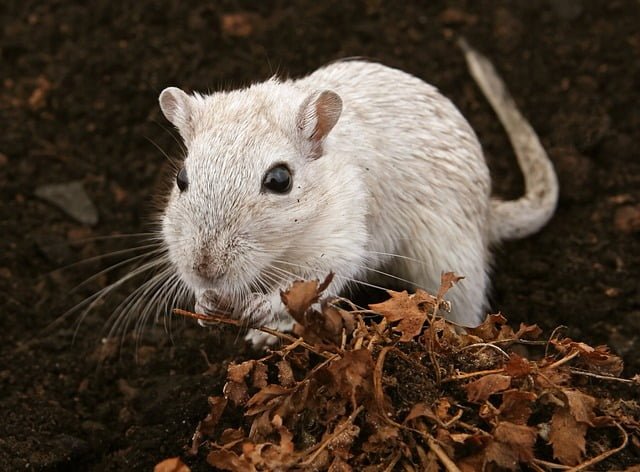
Rats and Their Dietary Habits
As omnivores, rats have a diverse diet that consists of both plants and animals. Their natural diet consists of seeds, grains, fruits, and insects. However, they are opportunistic feeders and will eat almost anything that is available to them.
Rats are known to have a sweet tooth and enjoy eating sugary foods such as fruits and vegetables. They also require a high-protein diet, which they can obtain from insects, meat, and dairy products.
It is important to note that rats have a sensitive digestive system and can easily develop health problems if they consume foods that are high in fat, sugar, or salt. In addition, rats have difficulty digesting spicy foods and can experience gastrointestinal discomfort if they consume them.
Therefore, it is recommended to avoid feeding rats spicy foods or any other foods that are high in fat, sugar, or salt. Instead, provide them with a balanced diet that consists of fresh fruits and vegetables, whole grains, and lean protein sources such as chicken or fish.
Overall, understanding a rat’s dietary habits is crucial for their health and well-being. By providing them with a balanced and nutritious diet, we can ensure that they live a healthy and happy life.
Understanding Spiciness
Spiciness is a sensation that we experience when we eat certain foods. It is caused by a chemical compound called capsaicin, which is found in chili peppers. Capsaicin triggers the receptors in our mouth and throat that detect heat, causing a burning sensation.
The level of spiciness in food is measured using the Scoville scale. This scale ranges from 0 to over 2 million, with pure capsaicin being the highest at 16 million. The higher the number, the spicier the food.
Different people have different levels of tolerance for spiciness. Some people love spicy food, while others can’t handle it at all. This is because our tolerance for spiciness is influenced by genetics, as well as our exposure to spicy foods.
It’s important to note that while rats can eat spicy food, it’s not recommended to feed them excessively spicy food. This is because rats have a much higher sensitivity to capsaicin than humans, and it can cause discomfort and even pain for them. It’s always best to stick to a balanced and healthy diet for your pet rat.
Effects of Spicy Food on Rats
Digestive System Impact
When it comes to rats, spicy food can have a significant impact on their digestive system. Rats have a sensitive digestive system, and spicy food can cause several issues such as stomach pain, diarrhea, and vomiting. Spicy food can also cause inflammation in the digestive tract, which can lead to more severe issues such as ulcers.
Capsaicin is the active ingredient in spicy food, and it can irritate the lining of the stomach and intestines. This irritation can cause rats to experience discomfort and pain. Spicy food can also cause rats to produce more gastric acid, which can lead to acid reflux and heartburn.
Behavioral Changes
Spicy food can also have an impact on the behavior of rats. Rats are known for their love of food, but spicy food can cause them to become hesitant and avoidant of certain foods. This is because rats have a keen sense of smell, and the pungent smell of spicy food can be overwhelming for them.
In addition to this, rats may also experience changes in their behavior after consuming spicy food. They may become more aggressive or irritable, which can lead to fights or other behavioral issues.
Overall, it is not recommended to feed rats spicy food. While they may enjoy the taste, the potential negative effects on their digestive system and behavior outweigh any benefits. It is best to stick to a balanced diet that is specifically designed for rats to ensure their health and well-being.

Risks and Precautions
When it comes to feeding rats spicy food, there are some risks and precautions that we need to keep in mind. While rats are known to have a diverse diet, there are certain foods that can be harmful to them. Here are some things to consider before feeding your pet rat spicy food.
1. Digestive Issues
Spicy food can cause digestive problems in rats. The capsaicin in peppers can irritate the lining of the stomach and intestines, leading to diarrhea, vomiting, and other gastrointestinal issues. It is important to introduce spicy food slowly and in small amounts to monitor your rat’s reaction.
2. Allergic Reactions
Just like humans, rats can have allergic reactions to certain foods. If your rat has never been exposed to spicy food before, it is important to watch for any signs of an allergic reaction. These can include itching, swelling, hives, and difficulty breathing. If you notice any of these symptoms, stop feeding your rat spicy food immediately.
3. Sodium Intake
Spicy foods often contain high levels of sodium, which can be harmful to rats in large quantities. Too much sodium can lead to dehydration, high blood pressure, and other health problems. It is important to limit your rat’s intake of salty foods, including spicy snacks and treats.
4. Dental Issues
Spicy food can also cause dental problems in rats. Some spicy snacks, such as chips and crackers, can be hard and crunchy, which can lead to tooth damage and other dental issues. It is important to choose soft and chewy treats for your rat to avoid dental problems.
In conclusion, while rats can eat spicy food, it is important to be cautious and monitor their reaction. Introduce spicy food slowly and in small amounts, watch for signs of an allergic reaction, limit their sodium intake, and choose soft and chewy treats to avoid dental issues. By following these precautions, you can safely enjoy feeding your pet rat spicy snacks and treats.
Alternative Foods for Rats
As we mentioned earlier, rats are omnivorous animals that can eat a wide variety of foods. While it’s best to feed them a balanced diet that includes fresh fruits, vegetables, and high-quality protein sources, there are some alternative foods that you can offer your pet rat as a treat or supplement.
Fruits
Many types of fruit are safe for rats and can be a tasty addition to their diet. Some of the best options include:
- Apples
- Bananas
- Berries
- Grapes
- Melons
- Pineapple
However, it’s important to remember that fruit is high in sugar, so it should be fed in moderation. Stick to small pieces and offer them as a special treat a few times a week.
Vegetables
Vegetables are an important part of a rat’s diet, providing essential vitamins and minerals. Some of the best options include:
- Broccoli
- Carrots
- Cucumber
- Kale
- Peppers
- Spinach
Be sure to wash vegetables thoroughly before feeding them to your rat, and offer them in small amounts to prevent digestive upset.
Protein Sources
Rats need protein to maintain their health and energy levels. While commercial rat food usually provides enough protein, you can also offer your pet rat some alternative protein sources, such as:
- Cooked chicken or turkey
- Hard-boiled eggs
- Tofu
- Yogurt
Again, it’s important to offer these foods in moderation and to avoid feeding your rat anything that is high in fat or salt.
By offering your pet rat a variety of healthy foods, you can help ensure that they stay happy and healthy. Just remember to introduce new foods slowly and to always provide fresh, clean water.
Conclusion
In conclusion, we have explored the question of whether rats can eat spicy food. Based on the research we have conducted, it appears that rats can tolerate some level of spiciness, but it is not recommended to feed them spicy food regularly.
While rats have a similar digestive system to humans, they have a much higher sensitivity to capsaicin, the compound that gives spicy food its heat. Feeding rats spicy food can cause gastrointestinal issues, such as stomach upset and diarrhea. Additionally, some spices, such as garlic and onion, can be toxic to rats in large quantities.
It is important to note that rats have specific dietary needs and should be fed a balanced diet that includes protein, carbohydrates, and fats. Feeding rats a diet high in spicy foods can lead to nutrient deficiencies and health problems.
Overall, while rats can tolerate some level of spiciness, it is best to avoid feeding them spicy food on a regular basis. Instead, focus on providing rats with a balanced and nutritious diet that meets their specific dietary needs.

Frequently Asked Questions
What spices are toxic to rats?
Some spices can be toxic to rats, just like they can be to humans. For example, cinnamon in large doses can cause liver damage in rats. Other spices like nutmeg and cloves can be toxic in high amounts as well. It is always best to avoid feeding rats any spicy foods or spices in general.
What are some foods that rats cannot eat?
Rats should not be fed any foods that are toxic to them, such as chocolate, caffeine, alcohol, and avocado. Additionally, rats should not be given any processed or high-sugar foods, as they can lead to obesity and other health problems.
Can rats taste spicy food?
Yes, rats can taste spicy food, but their tolerance for spicy foods is much lower than humans. Rats have fewer taste buds than humans, so they may not be able to fully enjoy the flavor of spicy foods.
Can rats eat hot Cheetos?
It is not recommended to feed rats any processed or high-sugar foods, including hot Cheetos. These types of foods can lead to obesity and other health problems in rats.
Do rats like hot sauce?
Rats may not enjoy the taste of hot sauce as much as humans do, but they can still taste it. It is not recommended to feed rats any spicy foods or sauces, as it can upset their stomachs and cause digestive issues.
Does spicy food affect rats?
Spicy foods can cause digestive issues in rats, just like they can in humans. It is best to avoid feeding rats any spicy foods or spices in general to prevent any potential health problems.