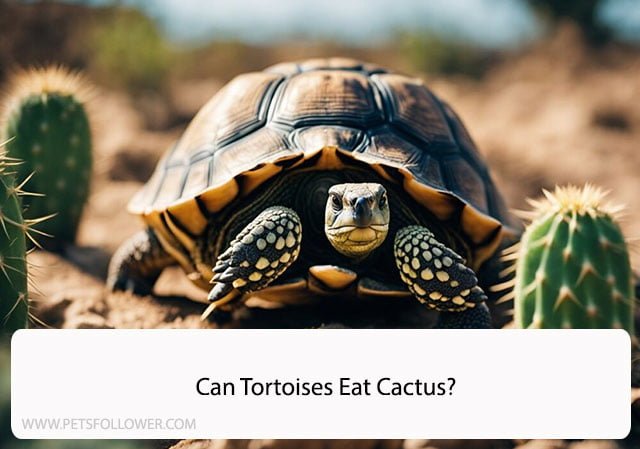


Tortoises are one of the most beloved reptiles kept as pets. They are easy to care for and can live for decades. As a result, owners are always looking for new food options to keep their pets healthy. One plant that often comes up in discussions is the dandelion. In this article, we will explore whether or not tortoises can eat dandelions.
Dandelions are a common weed found in many gardens and lawns. They are also a nutritious plant that is safe for tortoises to eat. In fact, dandelions are a great source of vitamins and minerals that can benefit your pet’s health. However, it is important to note that not all parts of the dandelion plant are safe for tortoises to consume.
The leaves and flowers of the dandelion plant are safe for tortoises to eat. They are high in calcium, potassium, and vitamin A, which are all essential nutrients for a tortoise’s health. However, the root of the dandelion plant is not safe for tortoises to consume. It can cause digestive issues and lead to health problems. As a result, it is important to only feed your tortoise the leaves and flowers of the dandelion plant.

Understanding Tortoises’ Diet
Tortoises are herbivores and have a very specific diet that is essential for their health and well-being. As owners, it’s our responsibility to provide them with a balanced diet that meets their nutritional needs.
In the wild, tortoises have access to a variety of plants, including grasses, flowers, and weeds. However, when kept as pets, they are often fed a limited diet of commercial pellets and vegetables. While these foods may be convenient, they do not provide the same nutritional value as a varied diet of fresh plants.
When planning a tortoise’s diet, it’s important to consider their age, species, and activity level. For example, a young tortoise may require more protein and calcium than an adult tortoise. Additionally, some species have specific dietary requirements, such as a high-fiber diet for a sulcata tortoise.
One plant that is often debated in the tortoise community is dandelions. While some owners believe they are a nutritious addition to a tortoise’s diet, others are concerned about their potential toxicity. It’s important to do your own research and consult with a veterinarian before feeding your tortoise any new foods.
Overall, a balanced diet for a tortoise should consist of a variety of fresh plants, including grasses, flowers, and weeds. Commercial pellets and vegetables can be used as supplements, but should not be the main source of nutrition. By providing your tortoise with a diverse diet, you can help ensure they live a long and healthy life.
Role of Dandelions in a Tortoise’s Diet
Nutritional Value
Dandelions are a great source of nutrients for tortoises. They contain high levels of calcium, which is essential for the growth and maintenance of healthy bones and shells. They also contain vitamins A, C, and K, which are important for maintaining a healthy immune system, promoting healthy skin and eyes, and aiding in blood clotting.
In addition, dandelions are rich in antioxidants, which help to protect the body from damage caused by free radicals. They also contain potassium, which is important for maintaining healthy blood pressure and promoting proper muscle and nerve function.
Digestive Benefits
Dandelions can also provide digestive benefits for tortoises. They contain high levels of fiber, which can aid in digestion and promote healthy bowel movements. The fiber in dandelions can also help to prevent constipation, which can be a common issue for tortoises.
In addition, dandelions contain natural diuretic properties, which can help to flush out toxins from the body and promote healthy kidney function.
Overall, dandelions can be a great addition to a tortoise’s diet. However, it is important to remember that they should be fed in moderation, as too much can lead to digestive issues. It is also important to ensure that any dandelions fed to tortoises are free of pesticides and other harmful chemicals.
Risks and Precautions
When feeding dandelions to tortoises, there are some risks and precautions to keep in mind. Here are a few things to consider:
- Pesticides: Dandelions that have been treated with pesticides or other chemicals can be harmful to tortoises. It’s important to only feed them dandelions that have been grown organically or that you know have not been treated with chemicals.
- Oxalic acid: Dandelions contain oxalic acid, which can bind to calcium and prevent its absorption. This can lead to metabolic bone disease in tortoises. However, dandelions are not particularly high in oxalic acid, so feeding them in moderation should not be a problem.
- Digestive issues: Some tortoises may have trouble digesting dandelions, especially if they are fed too many at once. It’s important to introduce them slowly and in small amounts to avoid digestive issues.
- Allergies: Just like humans, tortoises can have allergies to certain foods. If you’re feeding your tortoise dandelions for the first time, keep an eye out for any signs of an allergic reaction, such as swelling or difficulty breathing.
Overall, dandelions can be a nutritious and tasty addition to a tortoise’s diet, but it’s important to take these risks and precautions into account. By feeding them in moderation and making sure they are grown organically, you can help ensure that your tortoise stays healthy and happy.
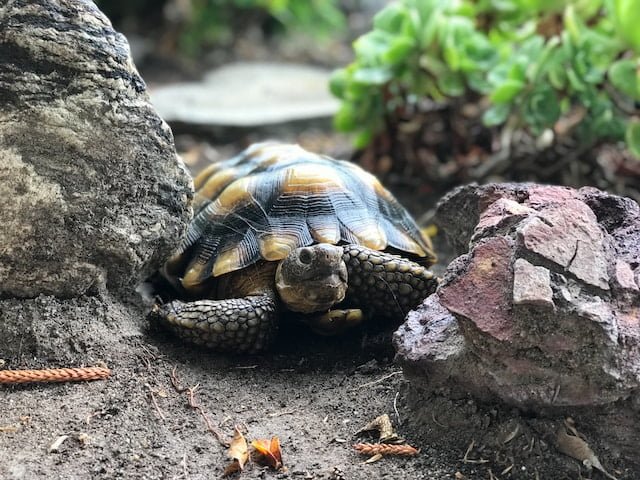
How to Feed Dandelions to Tortoises
Preparation
When feeding dandelions to tortoises, it is important to ensure that they are clean and free of any pesticides or chemicals. We recommend picking dandelions from areas that are not sprayed with chemicals, or buying organic dandelions from a trusted source.
Before feeding the dandelions to your tortoise, it is important to wash them thoroughly to remove any dirt or debris. You can also chop them into smaller pieces to make it easier for your tortoise to eat.
Frequency of Feeding
Dandelions can be a great addition to your tortoise’s diet, but they should not be the only food that they eat. We recommend feeding dandelions to your tortoise as a treat, rather than a staple food.
As a general rule, dandelions should make up no more than 10% of your tortoise’s diet. You can feed them a few leaves or flowers every few days, but be sure to monitor their intake and adjust accordingly.
It is also important to note that different species of tortoise have different dietary requirements, so be sure to research your tortoise’s specific needs before feeding them dandelions or any other food.
Alternatives to Dandelions
While dandelions are a great source of nutrition for tortoises, they may not always be available or in season. Fortunately, there are plenty of other options that can provide similar benefits to your pet.
One great alternative is clover. Clover is high in fiber and protein, and contains many of the same vitamins and minerals as dandelions. Additionally, it is often easier to find and harvest than dandelions, making it a convenient option for many tortoise owners.
Another option is plantain. Plantain is a common weed that is often found in lawns and gardens. It is high in fiber and vitamin A, and is a good source of calcium and potassium. Like clover, it is easy to find and harvest, and can be a great addition to your tortoise’s diet.
Other greens that are safe for tortoises to eat include:
- Mustard greens
- Collard greens
- Endive
- Escarole
- Turnip greens
It’s important to remember that while these greens are safe for tortoises to eat, they should still be fed in moderation. Too much of any one food can upset your pet’s digestive system and lead to health issues. As always, it’s best to consult with a veterinarian or reptile expert to ensure that your tortoise is getting the proper nutrition it needs.

Frequently Asked Questions
What flowers are safe for tortoises to eat?
Tortoises can safely eat a variety of flowers, including hibiscus, rose petals, and pansies. However, it’s important to avoid flowers that have been sprayed with pesticides or fertilizers, as these chemicals can be harmful to your pet.
What weeds are safe for tortoises to eat?
Tortoises can safely eat a variety of weeds, including clover, plantain, and dandelion leaves. However, it’s important to avoid weeds that have been sprayed with pesticides or fertilizers, as these chemicals can be harmful to your pet.
Can tortoises eat the roots of dandelions?
While tortoises can eat the leaves and flowers of dandelions, it’s not recommended to feed them the roots. Dandelion roots can be difficult for tortoises to digest and can cause digestive issues.
Can tortoises eat daffodils?
No, tortoises should not eat daffodils. Daffodils contain toxic compounds that can be harmful or even fatal to tortoises.
Can Russian tortoises eat dandelion flowers?
Yes, Russian tortoises can safely eat dandelion flowers. Dandelions are a good source of nutrients for tortoises and can be a healthy addition to their diet.
Can Hermann tortoises eat dandelion flowers?
Yes, Hermann tortoises can safely eat dandelion flowers. Dandelions are a good source of nutrients for tortoises and can be a healthy addition to their diet.