
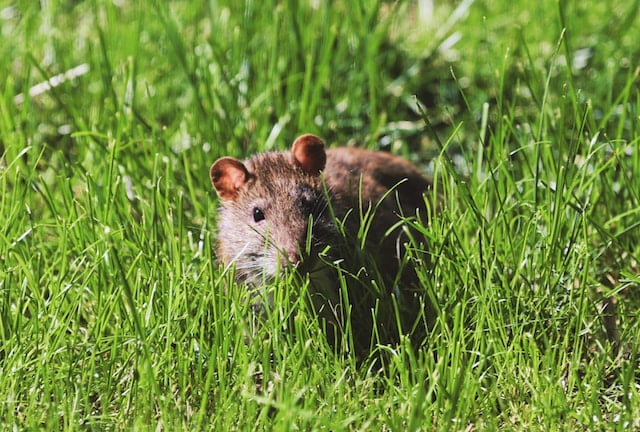
Pet rats are curious eaters and can enjoy a wide variety of foods. Because they are omnivores, their diet can include grains, fruits, vegetables, and protein sources. However, responsible pet owners often ask an important question: Can rats eat Brussel sprouts?
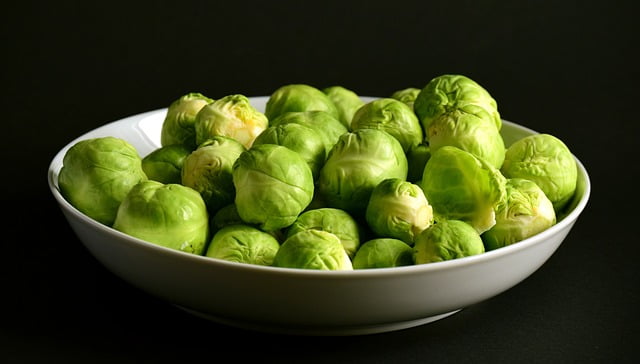
The simple answer is yes. Brussel sprouts are generally safe for rats when served in small amounts. These miniature cabbage-like vegetables contain several important nutrients such as vitamin C, vitamin K, antioxidants, and dietary fiber that can support your rat’s health.
However, like many vegetables, they should be offered as an occasional supplement rather than a primary food source. A balanced rat diet should always include high-quality rat pellets along with small portions of fresh vegetables and fruits.
Can Rats Eat Brussel Sprouts Safely?

Yes, rats can eat Brussel sprouts safely when they are introduced gradually and served in moderation. These vegetables belong to the cruciferous family, which also includes broccoli, cabbage, and kale.
Because rats have delicate digestive systems, it is important to avoid feeding large amounts at once. When introducing Brussel sprouts for the first time, start with a very small piece and observe how your rat reacts.
Some rats may love the taste, while others may ignore them entirely. Just like humans, rats have individual food preferences.
Another important factor to consider is that Brussel sprouts contain compounds known as goitrogens. In large quantities, these compounds may interfere with thyroid function. This is why feeding them occasionally rather than daily is the safest option.
Nutritional Value of Brussel Sprouts
Brussel sprouts are highly nutritious vegetables packed with vitamins, minerals, and plant compounds. When served properly, they can offer several health benefits for rats.
- Vitamin C – Supports immune health and helps maintain healthy skin.
- Vitamin K – Important for blood clotting and bone strength.
- Folate – Helps with cell growth and tissue development.
- Fiber – Promotes healthy digestion and gut balance.
- Antioxidants – Protect the body from oxidative stress.
Because of this nutrient profile, Brussel sprouts can be a healthy occasional treat when included in a balanced rat diet.
Effects of Brussel Sprouts on Rats
While Brussel sprouts are generally safe, they may have different effects depending on how frequently they are fed and the individual rat’s digestive tolerance.
Digestive Impact
Brussel sprouts contain high amounts of fiber. Fiber can support digestive health, but too much may cause problems such as gas, loose stools, or bloating.
Pet rats should only receive small servings to avoid upsetting their stomach.
Long-Term Health Considerations
There are also a few long-term considerations when feeding cruciferous vegetables like Brussel sprouts.
First, the natural goitrogens found in these vegetables may influence thyroid hormone production if consumed excessively. Secondly, they contain small amounts of oxalates, which in large quantities could contribute to kidney stone formation in some animals.
Fortunately, these risks are minimal when Brussel sprouts are fed occasionally as part of a varied diet.
How to Serve Brussel Sprouts to Rats
If you decide to feed Brussel sprouts to your rat, proper preparation is essential. Follow these simple steps to make them safe and enjoyable.
- Wash thoroughly – Rinse the sprouts well to remove dirt or pesticide residue.
- Cut into small pieces – Rats have small mouths, so bite-sized pieces are best.
- Serve raw or lightly cooked – Both options are safe, but avoid oils, salt, or seasonings.
- Offer in moderation – One or two small pieces occasionally is enough.
- Observe your rat – Watch for any digestive issues when introducing new foods.
Following these steps will help ensure your rat enjoys a healthy and safe snack.
Healthy Alternatives to Brussel Sprouts for Rats
If your rat does not enjoy Brussel sprouts, there are many other vegetables and fruits that provide excellent nutrition.
- Leafy greens – Spinach, kale, and romaine lettuce.
- Root vegetables – Carrots, sweet potatoes, and parsnips.
- Berries – Strawberries, blueberries, and raspberries.
- Squash – Zucchini, pumpkin, and butternut squash.
- Fruits – Apples, bananas, and grapes (in moderation).
Always introduce new foods gradually and maintain a balanced diet centered around high-quality rat pellets.
Conclusion
So, can rats eat Brussel sprouts? Yes, they can. These nutritious vegetables provide vitamins, antioxidants, and fiber that may benefit your pet rat when fed in moderation.
However, they should always be served as an occasional treat rather than a staple food. Introducing new foods slowly and observing your rat’s reaction will help maintain a healthy and balanced diet.
Frequently Asked Questions
Can rats eat Brussel sprouts every day?
No. Brussel sprouts should only be given occasionally. Feeding them daily may cause digestive discomfort or nutrient imbalance.
Are cooked Brussel sprouts better for rats?
Both raw and lightly cooked Brussel sprouts are safe. If cooked, they should be plain without salt, butter, or seasoning.
How many Brussel sprouts can a rat eat?
A small piece or two once or twice a week is generally enough for a pet rat.
What vegetables are safest for rats?
Some safe vegetables include broccoli, carrots, peas, spinach, kale, and cucumber.
Can baby rats eat Brussel sprouts?
Young rats should mainly eat rat pellets. Vegetables like Brussel sprouts can be introduced in very small portions once they are older.
Are frozen Brussel sprouts safe for rats?
Yes, but they should be thawed and rinsed before serving. Avoid seasoned or processed varieties.