

Leopard geckos are one of the most popular pet reptiles in the world. These small, nocturnal lizards are easy to care for and come in a variety of colors and patterns. As with any pet, it’s important to provide them with a balanced diet to ensure their health and well-being. One question that frequently arises is whether baby leopard geckos can eat dubia roaches.
Dubia roaches are a popular feeder insect for many reptiles, including leopard geckos. These roaches are high in protein and low in fat, making them a nutritious choice for your pet. However, when it comes to baby leopard geckos, it’s important to take their size into consideration. Young geckos have smaller mouths and may have difficulty eating larger prey items like dubia roaches.
So, can baby leopard geckos eat dubia roaches? The answer is yes, but with some precautions. In this article, we’ll explore the benefits and risks of feeding dubia roaches to baby leopard geckos, as well as some tips for ensuring their safety and health.
Understanding Baby Leopard Geckos
Dietary Needs
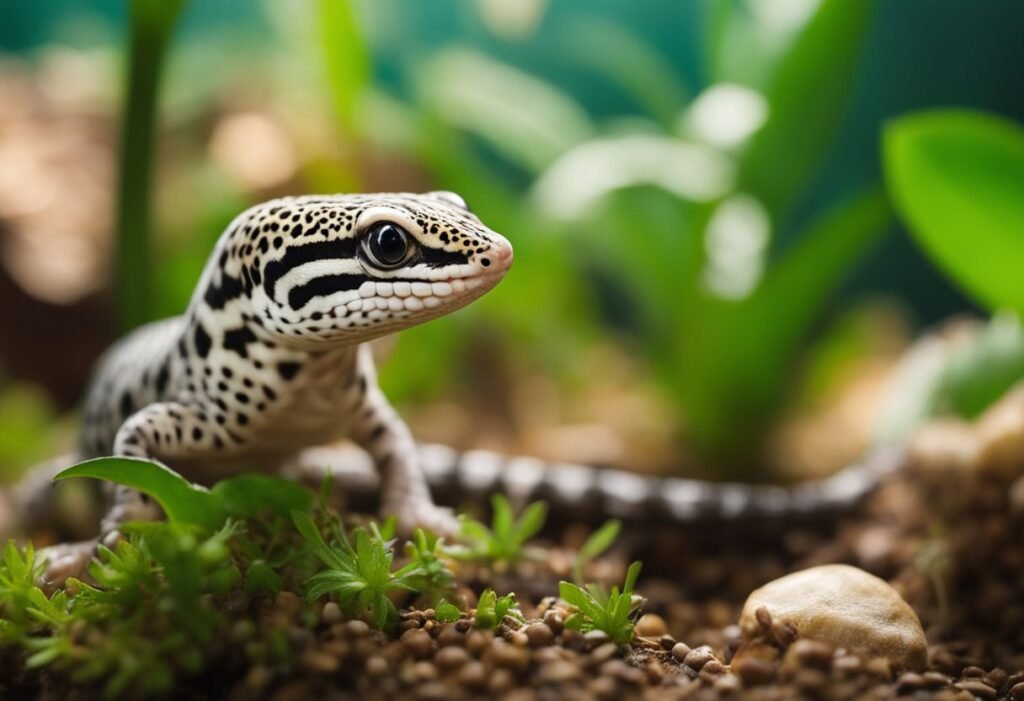
When it comes to feeding baby leopard geckos, it is important to understand their dietary needs. These geckos are insectivores and require a diet that is high in protein. In the wild, they primarily feed on insects such as crickets, mealworms, and waxworms.
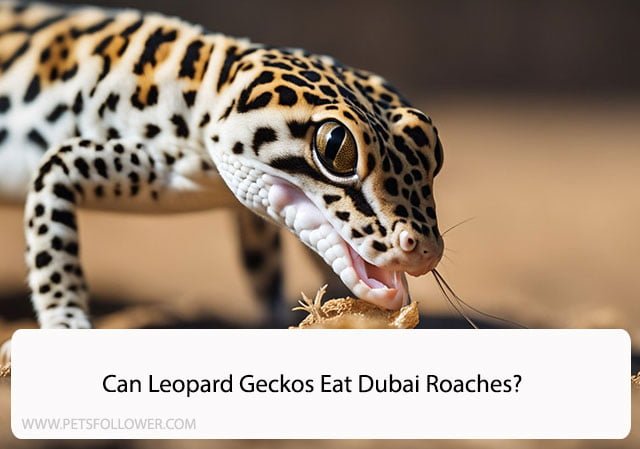
Dubia roaches are another type of insect that can be fed to baby leopard geckos. These roaches are high in protein and low in fat, making them a great addition to a gecko’s diet. However, it is important to ensure that the roaches are appropriately sized for the gecko. Baby leopard geckos should only be fed small dubia roaches, as larger ones can be difficult for them to digest.
It is also important to provide a varied diet for baby leopard geckos. Feeding them a variety of insects will ensure that they receive all of the necessary nutrients for healthy growth and development. Additionally, it is important to dust their food with calcium and vitamin supplements to prevent any deficiencies.
Growth Stages
Baby leopard geckos go through several growth stages before reaching adulthood. During these stages, their dietary needs may change.
When they first hatch, baby leopard geckos are very small and require small insects such as fruit flies and pinhead crickets. As they grow, they can be fed larger insects such as small crickets and mealworms.
Once they reach around 6 months of age, baby leopard geckos can be fed larger insects such as dubia roaches. It is important to monitor their growth and adjust their diet accordingly to ensure that they are receiving the appropriate nutrients.
In conclusion, understanding the dietary needs and growth stages of baby leopard geckos is essential for their health and well-being. Providing a varied diet and appropriate sized insects will ensure that they receive all of the necessary nutrients for healthy growth and development.
Benefits of Dubia Roaches

Dubia roaches are a popular feeder insect for leopard geckos and other reptiles. They are known to be one of the most nutritious and safe insects to feed to your pet. In this section, we will discuss the benefits of feeding dubia roaches to your baby leopard gecko.
Nutritional Value
Dubia roaches are high in protein and low in fat, which makes them an excellent food source for baby leopard geckos. They are also rich in essential nutrients such as calcium, phosphorus, and potassium. These nutrients are important for the growth and development of your baby leopard gecko. Feeding dubia roaches to your pet can help prevent nutrient deficiencies and ensure that they are getting all the necessary nutrients they need.
Safety and Digestibility
Dubia roaches are safe and easy to digest for baby leopard geckos. They have a soft exoskeleton that is easy for your pet to break down and digest. Unlike other feeder insects, dubia roaches do not have sharp claws or mandibles that can harm your pet. They are also less likely to carry parasites and diseases than other feeder insects such as crickets.
In summary, feeding dubia roaches to your baby leopard gecko can provide them with essential nutrients and is a safe and easy-to-digest food source. Consider adding dubia roaches to your pet’s diet for optimal health and nutrition.
Feeding Baby Leopard Geckos
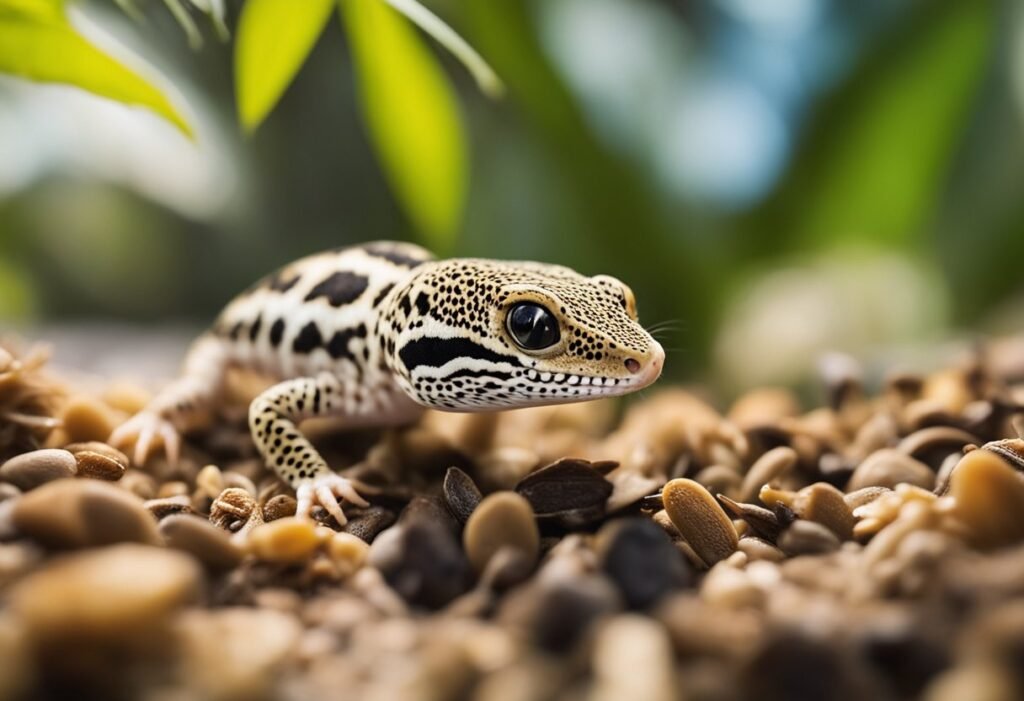
As baby leopard geckos grow, their dietary needs change. It is important to provide them with a balanced diet to ensure their health and growth. One of the foods that can be included in their diet is dubia roaches. In this section, we will discuss how to prepare dubia roaches for baby leopard geckos and how often and how much to feed them.
Preparing Dubia Roaches
Before feeding dubia roaches to baby leopard geckos, it is important to properly prepare them. First, make sure the dubia roaches are the appropriate size for the baby gecko. The roaches should be no larger than the space between the gecko’s eyes.
Next, gut-load the dubia roaches with nutritious food such as fruits, vegetables, and commercial gut-load products. This will ensure that the gecko is receiving a balanced diet.
Finally, dust the dubia roaches with calcium and vitamin D3 powder before feeding them to the gecko. This will help prevent calcium deficiency and metabolic bone disease.
Feeding Frequency and Amount
Baby leopard geckos should be fed daily. Offer them as many dubia roaches as they can eat in 15-20 minutes. Avoid overfeeding as this can lead to obesity and other health problems.
The amount of dubia roaches to feed will depend on the size and age of the gecko. As a general rule, offer 2-3 appropriately sized dubia roaches per feeding for a baby leopard gecko. Adjust the amount as necessary based on the gecko’s appetite and growth.
In conclusion, dubia roaches can be a nutritious addition to a baby leopard gecko’s diet. By properly preparing them and feeding them in appropriate amounts, we can ensure that our geckos receive the necessary nutrients for healthy growth and development.
Potential Risks and Considerations
When feeding baby leopard geckos dubia roaches, there are a few potential risks and considerations to keep in mind. Here are some factors to consider before adding dubia roaches to your leopard gecko’s diet.
Size and Hardness of Roaches
Dubia roaches are larger and harder than other feeder insects commonly fed to leopard geckos, such as crickets and mealworms. Baby leopard geckos may have difficulty digesting larger roaches, which could lead to impaction or other digestive issues.
To avoid this, it is recommended to only feed appropriately sized dubia roaches to baby leopard geckos. It is also important to ensure that the roaches are properly gut-loaded and hydrated to make them easier to digest.
Supplementation and Variety
While dubia roaches are a great source of protein and nutrients, they should not be the sole food item in a baby leopard gecko’s diet. It is important to offer a variety of feeder insects and to supplement their diet with calcium and other necessary vitamins and minerals.
We recommend dusting dubia roaches with calcium powder before feeding them to your baby leopard gecko. This will ensure that they are receiving the necessary nutrients for healthy growth and development.
In conclusion, dubia roaches can be a nutritious addition to a baby leopard gecko’s diet, but it is important to consider the size and hardness of the roaches and to supplement their diet with a variety of feeder insects and necessary nutrients. By taking these factors into account, you can provide your baby leopard gecko with a balanced and healthy diet.
Setting Up a Feeding Schedule
When it comes to feeding baby leopard geckos, it is important to establish a feeding schedule to ensure they are getting the proper nutrition and the right amount of food. Here are some tips to help you set up a feeding schedule for your baby leopard gecko:
- Determine how often to feed: Baby leopard geckos should be fed every day, or every other day if they are not eating as much. It is important to monitor their weight and adjust the feeding schedule accordingly.
- Choose the right food: Dubia roaches are a great source of protein for baby leopard geckos. Make sure to provide appropriately sized roaches that are no larger than the width of their head.
- Offer variety: While dubia roaches can be a staple in their diet, it is important to offer variety by including other insects such as crickets, mealworms, and waxworms.
- Use feeding dishes: Place the food in a shallow dish to prevent the insects from escaping and to make it easier for your baby leopard gecko to eat.
- Remove uneaten food: Any uneaten food should be removed from the enclosure after a few hours to prevent spoilage and to maintain a clean environment.
By following these tips, you can ensure that your baby leopard gecko is getting the proper nutrition and developing a healthy feeding routine.
Monitoring Health and Growth

As responsible pet owners, we need to monitor the health and growth of our baby leopard geckos. One way to do this is by observing their eating habits. Baby leopard geckos should be fed small amounts of food daily, and they should be able to consume their food within 10-15 minutes.
Dubia roaches are a great source of nutrition for baby leopard geckos, but we need to ensure that they are not too big for our geckos to handle. If the dubia roach is too large, it can cause impaction, which can be fatal for our geckos. We recommend feeding dubia roaches that are smaller than the width of our gecko’s head.
Another way to monitor the health and growth of our baby leopard geckos is by weighing them regularly. We can use a digital scale to weigh our geckos, and we should record their weight in a journal. A healthy baby leopard gecko should gain weight consistently over time.
In addition to monitoring their eating habits and weight, we should also pay attention to their behavior. Healthy baby leopard geckos are active and alert, and they should be exploring their environment. If our geckos are lethargic or hiding all the time, it may be a sign of illness or stress.
Overall, monitoring the health and growth of our baby leopard geckos is essential for their well-being. By observing their eating habits, weight, and behavior, we can ensure that they are healthy and thriving.
Frequently Asked Questions
What is the appropriate size of Dubia roaches for feeding baby leopard geckos?
For baby leopard geckos, it is important to feed them appropriately sized Dubia roaches to avoid any choking hazards. The size of the Dubia roaches should be no larger than the width of the gecko’s head. As the gecko grows, the size of the Dubia roaches can be gradually increased.
How often should baby leopard geckos be fed Dubia roaches?
Baby leopard geckos should be fed daily, and Dubia roaches can be included as a part of their regular diet. It is recommended to feed them 2-3 appropriately sized Dubia roaches per feeding.
Are there any risks associated with feeding Dubia roaches to baby leopard geckos?
Dubia roaches are considered a safe and nutritious food source for baby leopard geckos. However, it is important to ensure that the roaches are not too large and that they are gut-loaded with nutritious food before feeding them to the gecko.
What alternative insects can be offered to baby leopard geckos besides Dubia roaches?
There are several other insects that can be offered to baby leopard geckos, including crickets, mealworms, and waxworms. It is important to ensure that the insects are appropriately sized and gut-loaded before feeding them to the gecko.
Can Dubia roaches be left in the tank with a baby leopard gecko?
Dubia roaches can be left in the tank with a baby leopard gecko, but it is important to ensure that the gecko is able to catch and eat them before they hide or escape. It is recommended to supervise feeding time and remove any uneaten insects after a few hours.
How do I ensure the Dubia roaches are a suitable diet for my baby leopard gecko’s nutritional needs?
Dubia roaches are a nutritious food source for baby leopard geckos, but it is important to ensure that they are gut-loaded with nutritious food before feeding them to the gecko. Additionally, it is recommended to offer a variety of insects to ensure that the gecko is receiving a balanced diet.