
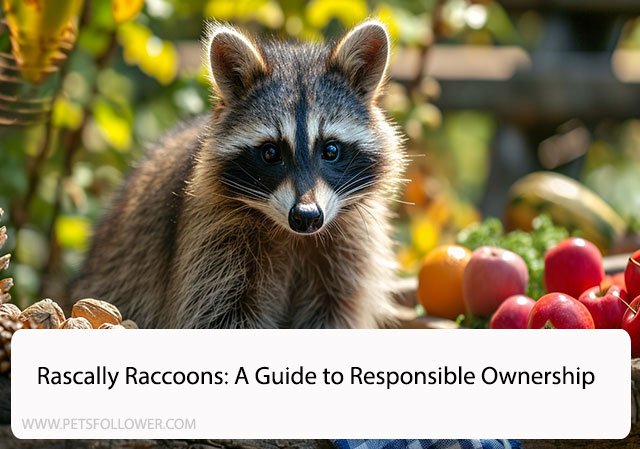
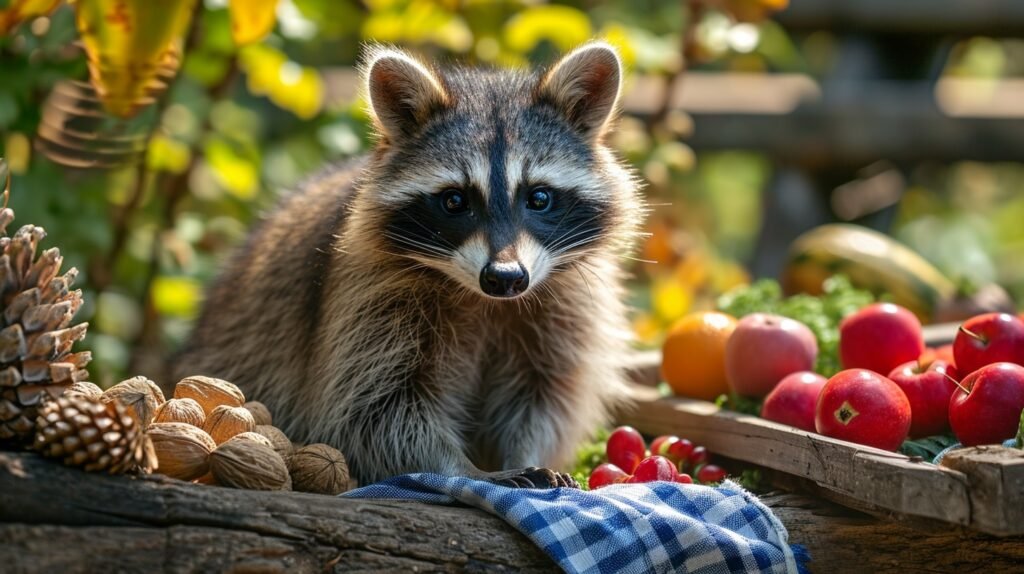
Raccoons, with their naughty faces and clever paws, have captured the hearts of many as unconventional but fascinating pets. This article aims to guide those interested in adopting these rascal creatures, focusing on the legalities, care needs, and responsibilities.
Unveiling the Mystery: Legal States for Raccoon Ownership
Before diving into the raccoon care world, knowing where these furry friends can legally be part of your family is crucial. Due to varying state laws, not all places allow raccoons as pets. For detailed information on where you can legally own a raccoon, a comprehensive guide is available here: where can I own a raccoon.
Understanding Raccoon Requirements
Home Sweet Home
Raccoons are active and curious animals that need a safe and stimulating environment. Here are some tips for creating a raccoon-friendly home:
- Spacious Enclosure: Raccoons require room to play, climb, and explore.
- Enrichment Toys: They love toys that challenge their intelligence.
- Secure Spaces: Since raccoons can be escape artists, secure enclosures are a must.
Nourishment Needs
Feeding a raccoon a balanced diet is essential for their health. Raccoons are omnivores and enjoy a variety of foods:
- Proteins: Such as cooked chicken or eggs.
- Fruits and Vegetables: Fresh produce is vital for their diet.
- Special Treats: Occasional treats can include nuts or fish.
Health and Happiness
Regular Vet Visits
Raccoons require regular veterinary care, including vaccinations and check-ups. Finding a vet experienced with exotic pets is crucial.
Understanding Behavior
Raccoons are intelligent but can be unpredictable. Understanding their natural behaviors and body language is important to ensure a happy coexistence.
The Big Commitment
Owning a raccoon is a significant commitment. They can live in captivity for 10-15 years and require constant care and attention. Prospective owners should consider the long-term commitment and whether their lifestyle can accommodate a raccoon’s needs.
Community Considerations
Raccoons can impact your relationships with neighbors due to their curious and sometimes noisy nature. Considering how having a raccoon will affect your community interactions is important.
Socialization and Training: The Key to a Happy Raccoon
Building Trust with Your Raccoon
Socializing a raccoon is an essential part of its care. These intelligent creatures thrive on interaction but require patience and consistency. Start by:
- Spending Time Together: Regular, calm interaction helps build trust.
- Gentle Handling: Gradually introduce handling to make them comfortable with human touch.
Training and Tricks
Raccoons are capable of learning a variety of tricks and commands. Training stimulates their mind and strengthens your bond:
- Basic Commands: Teach simple commands like ‘come’ or ‘sit’ using positive reinforcement.
- Trick Training: Raccoons can learn to perform tricks, which keeps them mentally engaged.
Setting Boundaries
It’s important to establish boundaries and routines for your raccoon:
- Consistent Rules: Set and enforce rules to help your raccoon understand what is expected.
- Routine Schedules: Regular feeding and playtimes help create a sense of security.
Wrapping Up: Is a Raccoon Right for You?
Deciding to own a raccoon should not be taken lightly. It’s a commitment filled with challenges but also immense rewards for those who are prepared. If you’ve considered all aspects and are ready to take the plunge, you’re on the path to an extraordinary companionship with one of nature’s most intriguing creatures.