

PetsFollower
Wednesday, June 17, 2026
  • Home
  • Birds
    • Chickens
    • Ducks
    • Geese
    • Parakeets
  • Cats
  • Dog
  • Other Pets
    • Amphibians
    • Aquarium
    • Goats
    • Horses
  • Pets Care
  • Raccoons
  • Rats
  • Reptiles
    • Bearded Dragons
    • Leopard Geckos
  • Small Pets
    • Chinchillas
    • Ferrets
    • Guinea Pigs
    • Hamsters
    • Rabbits
  • About Us
  • Contact Us
No Result
View All Result
  • Home
  • Birds
    • Chickens
    • Ducks
    • Geese
    • Parakeets
  • Cats
  • Dog
  • Other Pets
    • Amphibians
    • Aquarium
    • Goats
    • Horses
  • Pets Care
  • Raccoons
  • Rats
  • Reptiles
    • Bearded Dragons
    • Leopard Geckos
  • Small Pets
    • Chinchillas
    • Ferrets
    • Guinea Pigs
    • Hamsters
    • Rabbits
  • About Us
  • Contact Us
No Result
View All Result
PetsFollower
No Result
View All Result
Home Small Pets Rabbits

How To Judge The Overall Health Of A Rabbit?

Wesley J Swank by Wesley J Swank
March 27, 2026
in Rabbits
Reading Time: 3 mins read
0
0
SHARES
9
VIEWS
Share on FacebookShare on Twitter

Rabbits are popular pets because of their adorable looks, gentle demeanor, and low-maintenance requirements. However, like any other living creature, rabbits need proper care to maintain their health and happiness. One of the most important aspects of rabbit care is monitoring their overall health. In this blog post, we will discuss how to judge the overall health of a rabbit.
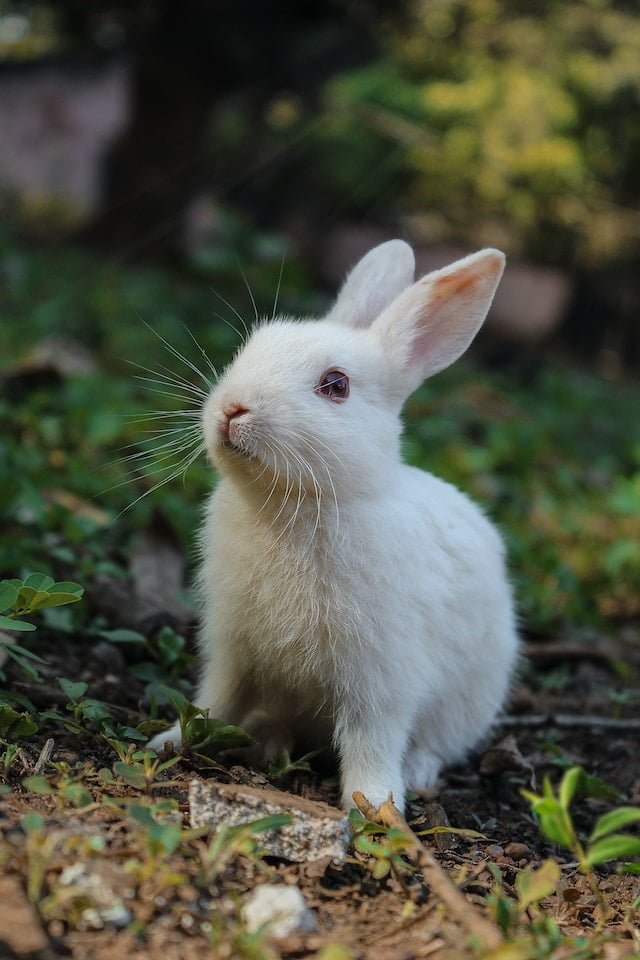
Health Of A Rabbit

Indicators of rabbit health

Firstly, it is important to note that the overall health of a rabbit can be assessed through various factors. One of the most common indicators of a rabbit’s health is its weight. An ideal weight for a rabbit is dependent on the breed, but generally, a healthy rabbit should not be too thin or overweight. You can determine your rabbit’s ideal weight by consulting with a veterinarian or researching the average weight for your rabbit’s breed.

RELATED POSTS

Can Rabbits Eat Brussels Sprouts?

Can Rabbits Eat Microgreens

Eating habits

Another indicator of a rabbit’s health is their eating habits. A healthy rabbit should have a good appetite and be eager to eat their food. If your rabbit is not interested in eating, it may be a sign of illness or dental problems. Additionally, a rabbit’s droppings can provide insight into their digestive health. The rabbit poop should be firm, round, and uniform in size. If you notice any abnormalities in your rabbit’s droppings, such as diarrhea or excessive mucus, it could be a sign of an underlying health issue.

Behavior

Another factor to consider when assessing a rabbit’s overall health is their behavior. A healthy rabbit should be active, curious, and social. If your rabbit seems lethargic or less interested in their surroundings, it may be a sign of illness. Similarly, if your rabbit becomes aggressive or displays unusual behavior, it may be worth investigating further to ensure they are not experiencing discomfort or pain.

Condition of the coat

The condition of a rabbit’s coat is also an important factor in determining their overall health. A healthy rabbit should have a shiny, clean coat that is free of mats or tangles. If you notice bald patches, excessive shedding, or a dull coat, it may be an indication of an underlying health issue. It is important to note that rabbits groom themselves frequently, so if you notice your rabbit is not grooming as often as usual, it could be a sign of an issue.

Overall health

It is important to monitor a rabbit’s overall health regularly to detect any potential issues early. Regular visits to the veterinarian can help ensure that your rabbit receives proper care and treatment when needed. A veterinarian can also perform a thorough physical examination and provide advice on how to maintain your rabbit’s health. Plus, they are an invaluable source of information for understanding the signs and symptoms of illness in rabbits.

Overall Health Of A Rabbit

In conclusion, judging the overall health of a rabbit involves paying attention to various factors such as weight, behavior, coat condition, eating habits, and droppings. Regular monitoring of these factors and seeking veterinary care when necessary can help ensure that your rabbit remains healthy and happy. Remember, the key to keeping your rabbit healthy is through proper care, nutrition, and attention to their needs.

Tags: Rabbits
ShareTweetPin
Previous Post

Pet Loss Support Group: Finding Comfort After Losing a Beloved Companion

Next Post

4 Tips for a More Pet-Friendly, Comfortable, and Organized Home

Wesley J Swank

Wesley J Swank

Wesley J. Swank is a renowned author, with a primary focus on pets. Drawing from a wide array of interests, Wesley infuses his writing with a rich reservoir of knowledge and expertise.

Related Posts

Can Rabbits Eat Brussels Sprouts

Can Rabbits Eat Brussels Sprouts?

by Wesley J Swank
May 11, 2026
0

Rabbits are adorable creatures that are known for their love for vegetables. As a rabbit owner, it is important to...

Can Rabbits Eat Microgreens

Can Rabbits Eat Microgreens

by Wesley J Swank
May 11, 2026
0

Rabbits are known for their love of fresh greens and vegetables, but what about microgreens? These tiny, nutrient-packed plants have...

Can Rabbits Eat Corn Husks and Silk

Can Rabbits Eat Corn Husks and Silk?

by Wesley J Swank
May 11, 2026
0

Rabbits are herbivores and need a balanced diet to maintain good health. Owners often wonder if it is safe to...

Can Rabbits Eat Jicama

Can Rabbits Eat Jicama

by Wesley J Swank
May 11, 2026
0

Rabbits are adorable and beloved pets that require a balanced diet to maintain their health. As responsible pet owners, it...

Can Rabbits Eat Uncooked Oatmeal

Can Rabbits Eat Uncooked Oatmeal?

by Wesley J Swank
May 11, 2026
0

Rabbits are herbivores and require a diet that is high in fiber to maintain a healthy digestive system. As such,...

Next Post
Pet-Friendly, Comfortable, and Organized Home

4 Tips for a More Pet-Friendly, Comfortable, and Organized Home

5 Dog Breeds That Make for Great Pets

5 Dog Breeds That Make for Great Pets

RECOMMENDED

Can Leopard Geckos Eat Vegetables

Can Leopard Geckos Eat Vegetables?

June 17, 2026
Can Leopard Geckos Eat Black Soldier Fly Larvae

Can Leopard Geckos Eat Black Soldier Fly Larvae?

June 17, 2026

MOST VIEWED

  • Best Dog Collars

    Best Dog Collars: Top Options for Comfort and Durability

    0 shares
    Share 0 Tweet 0
  • Dog-friendly travel: Tips for taking your furry friend on adventures

    0 shares
    Share 0 Tweet 0
  • How To Take Good Care Of Pets? A Comprehensive Guide

    0 shares
    Share 0 Tweet 0
  • Understanding a Pet’s Quality of Life Checklist

    0 shares
    Share 0 Tweet 0
  • Can Dogs Eat Shrimp Chips – Safe For Your Pet?

    0 shares
    Share 0 Tweet 0
Petsfollower

How to keep your pet healthy throughout their life. Discover expert tips on nutrition, exercise, and care for a long, happy life with your pet.

CATEGORY

  • Amphibians
  • Aquarium
  • Bearded Dragons
  • Birds
  • Cats
  • Chickens
  • Chinchillas
  • Dog
  • Ducks
  • Ferrets
  • Geese
  • Goats
  • Guinea Pigs
  • Hamsters
  • Horses
  • Leopard Geckos
  • Other Pets
  • Parakeets
  • Pets Care
  • Rabbits
  • Raccoons
  • Rats

RECENT POSTS

  • Can Leopard Geckos Eat Vegetables? June 17, 2026
  • Can Leopard Geckos Eat Black Soldier Fly Larvae? June 17, 2026
  • Can Leopard Geckos Eat Fruit? June 16, 2026
  • Can Leopard Geckos Eat Worms? June 16, 2026
  • Can Leopard Geckos Eat June Bugs? June 16, 2026
  • Home
  • About Us
  • Contact Us
  • Disclaimer
  • Privacy Policy
  • Sitemap
  • Terms & Conditions

© 2021- 2025 Petsfollower

No Result
View All Result
  • Homepages
    • Homepage Layout 1

© 2021- 2025 Petsfollower

Go to mobile version