

Sulcata tortoises are known for their herbivorous diet, consuming a variety of greens, vegetables, and fruits. However, as responsible pet owners, it’s important to know which foods are safe and nutritious for these beloved reptiles. One question that often arises is whether or not sulcata tortoises can eat bok choy.
Bok choy, also known as Chinese cabbage, is a popular leafy green vegetable that’s commonly used in Asian cuisine. It’s a rich source of vitamins and minerals, including vitamin C, vitamin K, and calcium. But is it safe for sulcata tortoises to consume?
In this article, we’ll explore the nutritional benefits of bok choy and whether or not it’s a suitable addition to a sulcata tortoise’s diet. We’ll also discuss any potential risks or concerns associated with feeding bok choy to these reptiles.
Understanding Sulcata Tortoises
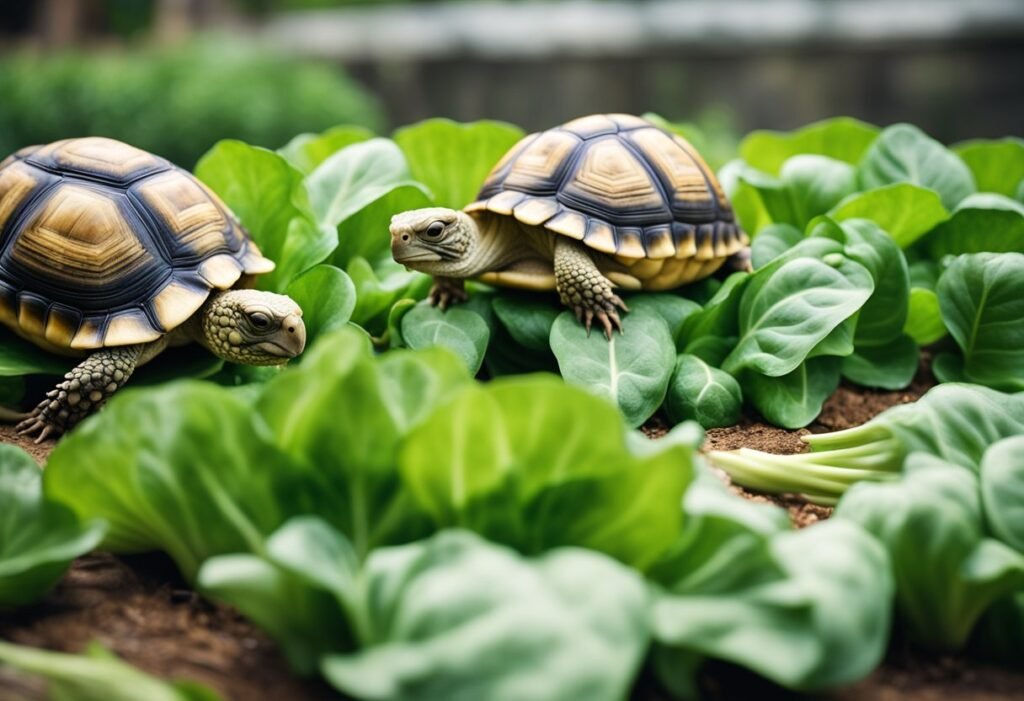
Sulcata tortoises are a species of tortoise that are native to the Sahara Desert in Africa. They are known for their impressive size, with adults weighing up to 200 pounds and measuring over 30 inches in length. As herbivores, their diet is primarily made up of grasses and leafy greens.
When it comes to caring for sulcata tortoises, it’s important to understand their unique needs. They require a warm and dry environment, with access to both sunlight and shade. They also need plenty of space to move around, as well as a shallow water dish for soaking.
In terms of diet, sulcata tortoises require a high-fiber, low-protein diet that is rich in calcium. This helps to promote healthy growth and development, as well as prevent common health issues such as metabolic bone disease.
While sulcata tortoises can eat a variety of leafy greens and vegetables, it’s important to avoid feeding them foods that are high in oxalates or goitrogens. These substances can interfere with nutrient absorption and cause health problems over time.
Overall, understanding the unique needs and dietary requirements of sulcata tortoises is essential for providing them with the best possible care and ensuring their long-term health and well-being.
Diet of Sulcata Tortoises
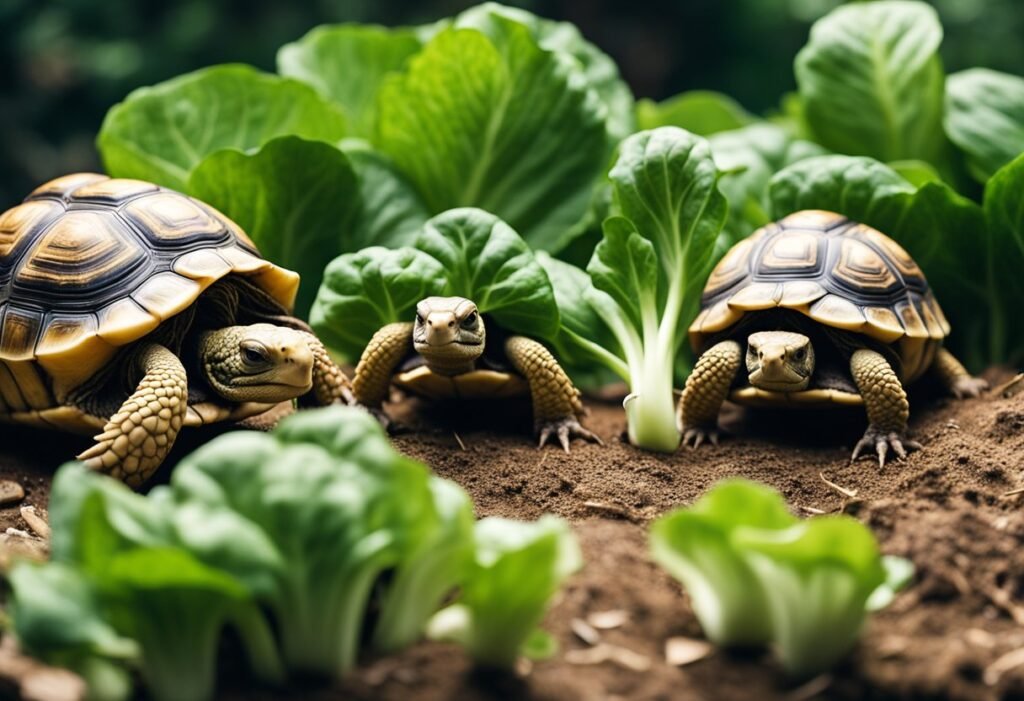
Sulcata tortoises are herbivores and their diet should consist mainly of leafy greens and grasses. They require a high-fiber, low-protein diet to maintain their health. It is important to provide a variety of foods to ensure they receive all the necessary nutrients.
Some of the best foods to feed sulcata tortoises include:
- Grasses such as Bermuda grass, orchard grass, and Timothy hay
- Leafy greens such as dandelion greens, collard greens, mustard greens, and turnip greens
- Vegetables such as carrots, squash, and sweet potatoes
- Fruits such as apples, strawberries, and bananas
It is important to avoid feeding sulcata tortoises foods that are high in protein, fat, or sugar. These include foods such as meat, dairy, bread, and processed foods.
Bok choy is a type of Chinese cabbage that is often used in stir-fry dishes. While it is not toxic to sulcata tortoises, it should be fed in moderation. Bok choy is high in calcium and oxalates, which can lead to health problems if fed in excess. It is best to feed bok choy as an occasional treat rather than a regular part of their diet.
Overall, it is important to provide a balanced diet for sulcata tortoises to ensure they stay healthy and happy.
The Role of Bok Choy in Sulcata Tortoise Diet
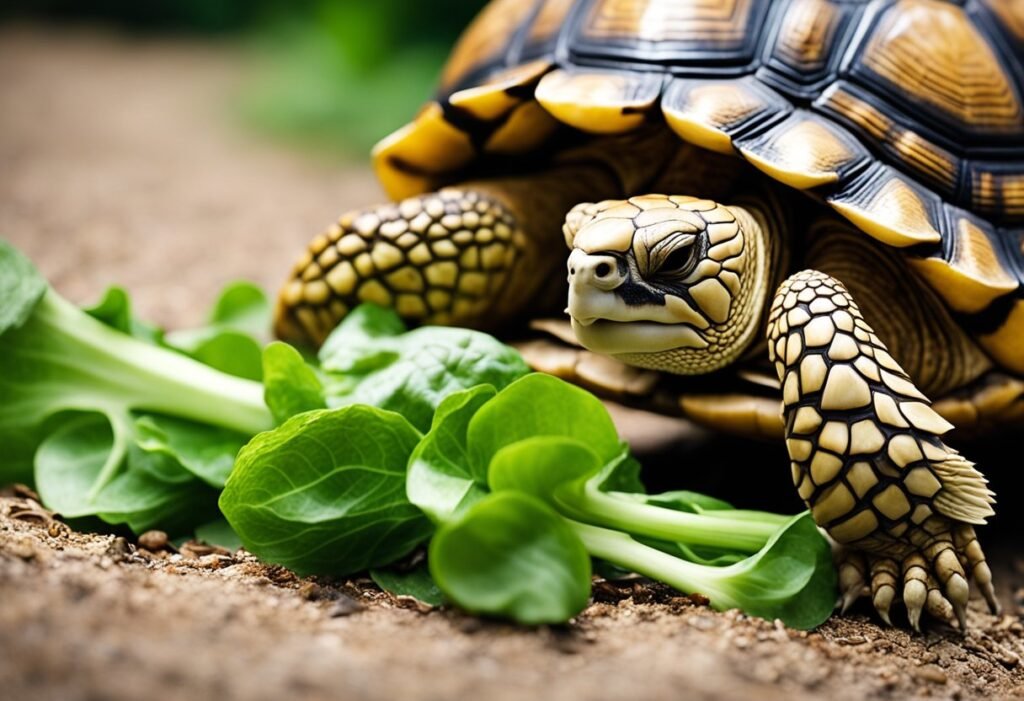
Bok choy is a leafy green vegetable that is a great source of nutrition for sulcata tortoises. In this section, we will discuss the nutritional value of bok choy, feeding instructions, and risks and precautions.
Nutritional Value
Bok choy is a great source of vitamins and minerals that are essential for the health of sulcata tortoises. It is high in calcium, which is important for maintaining strong bones and shells. Bok choy also contains vitamin A, which is important for maintaining healthy eyesight, and vitamin C, which helps boost the immune system.
Feeding Instructions
When feeding bok choy to sulcata tortoises, it is important to follow a few guidelines. First, make sure to thoroughly wash the bok choy to remove any dirt or pesticides. Then, chop the bok choy into small pieces that are easy for the tortoise to eat. Finally, mix the bok choy with other vegetables and fruits to provide a well-rounded diet.
Risks and Precautions
While bok choy is a great source of nutrition for sulcata tortoises, there are a few risks and precautions to keep in mind. First, bok choy should be fed in moderation, as too much can cause digestive issues. Additionally, bok choy should not be fed exclusively, as a variety of foods is necessary for a healthy diet. Finally, make sure to remove any uneaten bok choy from the enclosure to prevent spoilage.
Alternatives to Bok Choy
If you are looking for an alternative to feeding your sulcata tortoise bok choy, there are a variety of other greens and vegetables that can be incorporated into their diet. Here are a few options to consider:
- Collard greens: These leafy greens are high in calcium and vitamin A, making them a great addition to your tortoise’s diet. They can be fed raw or cooked, and are readily available at most grocery stores.
- Mustard greens: Another leafy green option, mustard greens are also high in calcium and vitamin A. They have a slightly bitter taste, which some tortoises may not enjoy, but can be mixed with other greens to encourage consumption.
- Endive: This leafy green has a slightly sweet taste and is high in fiber, making it a good option for tortoises who need to maintain a healthy weight. It can be fed raw or cooked.
- Butternut squash: This squash is high in vitamin A and fiber, and can be fed raw or cooked. It has a sweet taste that many tortoises enjoy, and can be a good way to add variety to their diet.
- Green beans: These vegetables are high in fiber and can be fed raw or cooked. They have a mild taste that most tortoises enjoy, and can be a good source of hydration.
Remember to always introduce new foods gradually and monitor your tortoise’s behavior and health closely. If you have any concerns about your tortoise’s diet, consult with a veterinarian who specializes in reptiles.
Conclusion
In conclusion, while bok choy can be a healthy addition to a sulcata tortoise’s diet, it should not be the sole source of their nutrition. It is important to offer a variety of vegetables, fruits, and grasses to ensure a balanced diet.
As with any new food, it is important to introduce bok choy gradually and monitor your tortoise’s reaction. If you notice any signs of digestive upset, such as diarrhea or decreased appetite, it may be best to remove bok choy from their diet.
Remember to always wash vegetables thoroughly before feeding them to your tortoise, and to provide fresh water at all times.
Overall, bok choy can be a nutritious and tasty addition to a sulcata tortoise’s diet, but should be offered in moderation and as part of a varied diet.
Frequently Asked Questions
What vegetables are safe for Sulcata tortoises to eat?
Sulcata tortoises are herbivores and can eat a variety of vegetables. Safe vegetables for them include collard greens, dandelion greens, mustard greens, and turnip greens. They can also eat kale, spinach, and romaine lettuce, but these should be fed in moderation due to their high oxalate content.
What fruits can be included in a Sulcata tortoise’s diet?
Fruits should be fed in moderation as they are high in sugar. Safe fruits for Sulcata tortoises include apples, bananas, blueberries, cantaloupe, and strawberries. Avoid feeding them citrus fruits and grapes as these can cause digestive problems.
Is bok choy a safe food for Sulcata tortoises?
Yes, bok choy is safe for Sulcata tortoises to eat. It is a good source of calcium and vitamin A, which are important for their health. However, it should be fed in moderation as it contains goitrogens, which can interfere with thyroid function if fed in large quantities.
What foods should be avoided in a Sulcata tortoise’s diet?
Sulcata tortoises should not be fed high-protein foods such as meat, eggs, or dairy products. They should also avoid foods high in oxalates such as beet greens, chard, and spinach. Avocado, rhubarb, and mushrooms should also be avoided as they are toxic to tortoises.
How much food should I feed my baby Sulcata tortoise?
Baby Sulcata tortoises should be fed daily, and their diet should consist of mostly leafy greens. Offer them a variety of vegetables and fruits in small amounts. As they grow, increase the amount of food gradually.
What foods are toxic to Sulcata tortoises?
Sulcata tortoises should avoid toxic foods such as chocolate, caffeine, alcohol, and tobacco. Plants such as lilies, azaleas, and rhododendrons are also toxic to them. If you are unsure if a food or plant is safe for your tortoise, it is best to avoid it.