

Leopard geckos are popular pets among reptile enthusiasts due to their unique appearance and low maintenance requirements. As with any pet, it’s important to provide them with a balanced and nutritious diet to ensure their health and longevity. One common question that arises among leopard gecko owners is whether or not they can eat adult dubia roaches.
Dubia roaches are a popular choice among reptile owners as they are high in protein and low in fat, making them a nutritious option for many species. However, when it comes to leopard geckos, there are some important considerations to keep in mind. In this article, we’ll explore whether or not leopard geckos can safely eat adult dubia roaches and what factors to consider when feeding them to your pet.
Leopard Gecko Dietary Basics
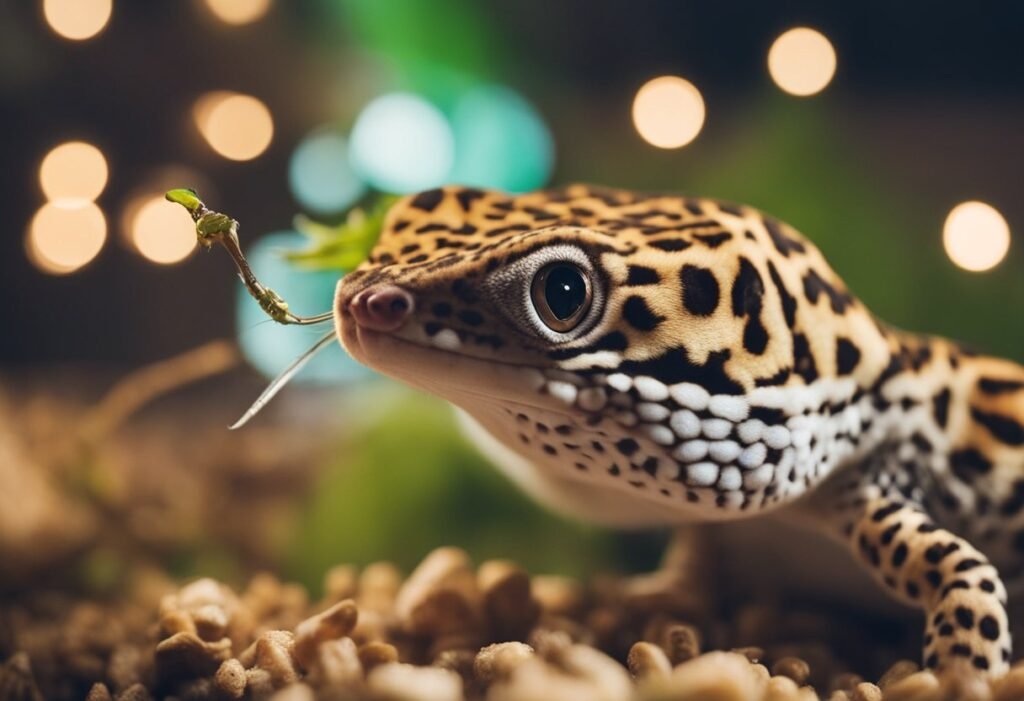
Leopard geckos are insectivores, which means they feed primarily on insects. A well-balanced diet is essential for their health and longevity. In this section, we will discuss the nutritional requirements and feeding frequency of leopard geckos.
Nutritional Requirements
Leopard geckos require a diet that is high in protein and low in fat. They also need a variety of vitamins and minerals to maintain good health. The following table shows the nutritional requirements of leopard geckos:
| Nutrient | Requirement |
|---|---|
| Protein | 25-35% of diet |
| Fat | Less than 10% of diet |
| Calcium | 2:1 calcium to phosphorus ratio |
| Vitamin D3 | Required for calcium absorption |
| Vitamins A, E, and K | Required for overall health |
Leopard geckos can eat a variety of insects, including crickets, mealworms, waxworms, and dubia roaches. Dubia roaches are a good source of protein and are low in fat, making them a suitable addition to a leopard gecko’s diet.
Feeding Frequency
Leopard geckos should be fed every 2-3 days. Adult geckos can be fed 4-5 dubia roaches per feeding. It is important to provide fresh water at all times and to dust the insects with calcium and vitamin supplements before feeding.
In conclusion, leopard geckos require a well-balanced diet that is high in protein and low in fat. Dubia roaches can be a good addition to their diet, but it is important to provide a variety of insects and to dust them with calcium and vitamin supplements. Feeding frequency should be every 2-3 days for adult geckos.
Understanding Dubia Roaches
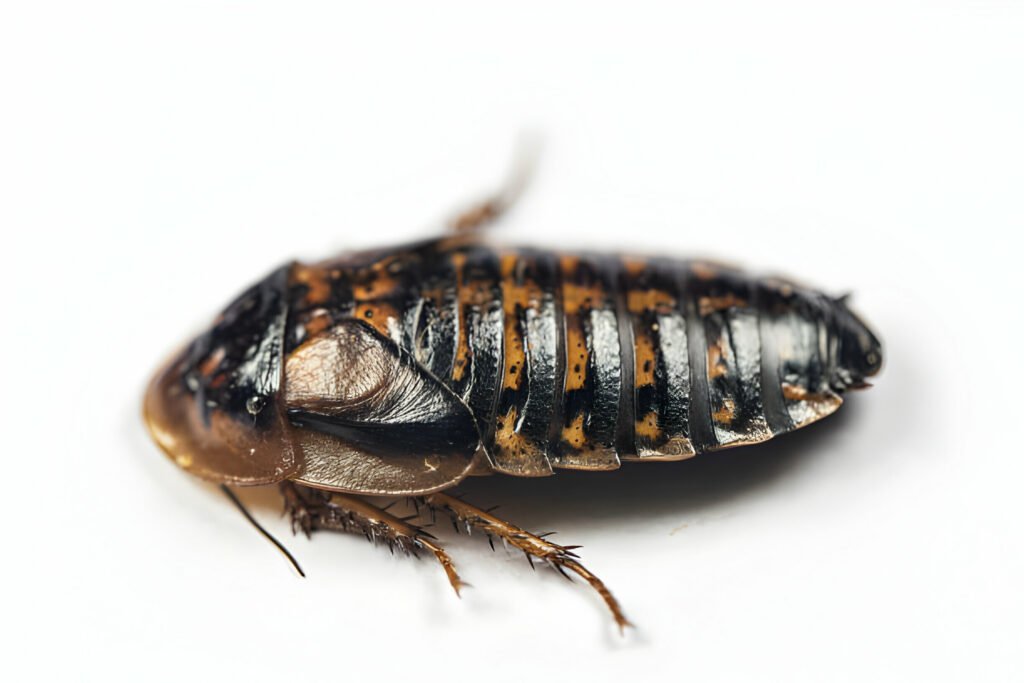
Dubia roaches are a popular feeder insect for reptiles due to their high nutritional value and ease of breeding. In this section, we will discuss the nutritional profile and size variations of Dubia roaches.
Nutritional Profile
Dubia roaches are a great source of protein, fat, and fiber. They also contain essential vitamins and minerals such as calcium, phosphorus, and potassium. Compared to other feeder insects, Dubia roaches have a lower fat content and a higher protein content, making them a healthier choice for your leopard gecko.
Size Variations
Dubia roaches come in various sizes, ranging from small to extra-large. It is important to choose the right size Dubia roach for your leopard gecko based on their size and age. Feeding your leopard gecko roaches that are too large can cause digestive issues, while feeding them roaches that are too small may not provide enough nutrition.
In summary, Dubia roaches are a nutritious and healthy feeder insect for your leopard gecko. It is important to understand their nutritional profile and size variations to ensure that you are providing the best diet for your pet.
Benefits of Adult Dubia Roaches for Leopard Geckos
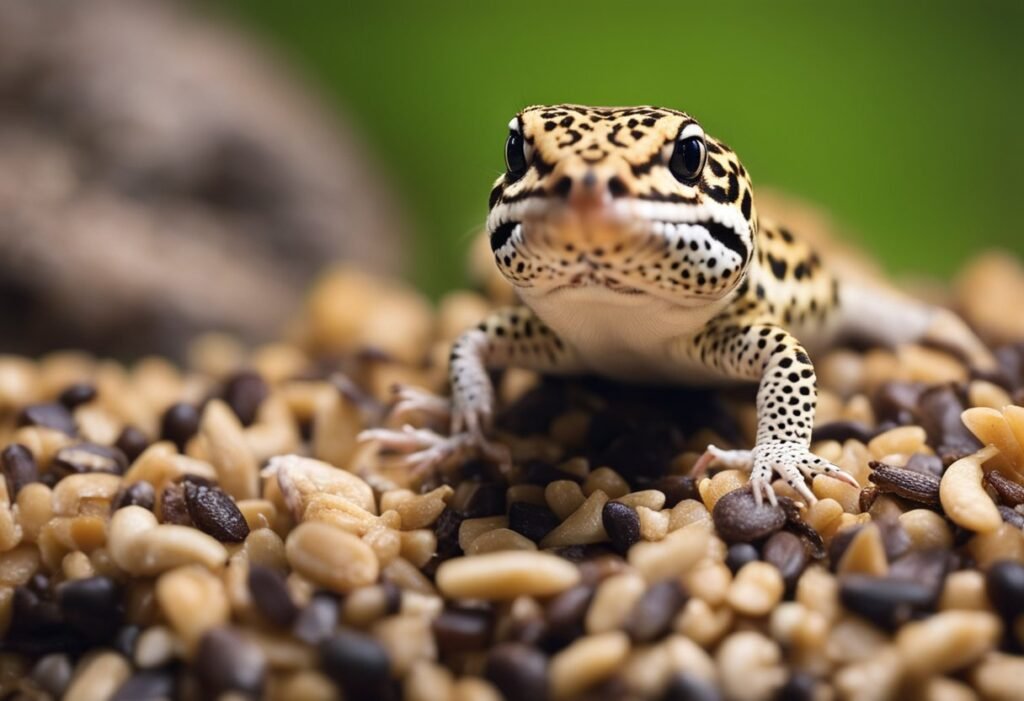
When it comes to feeding leopard geckos, it can be challenging to find a food source that meets all their nutritional needs. Adult Dubia Roaches are an excellent source of nutrition for leopard geckos, and here are some of the benefits they offer:
Protein Content
Adult Dubia Roaches are an excellent source of protein for leopard geckos. They contain approximately 23-61% protein, which is higher than most other feeder insects. Protein is essential for the growth and repair of body tissues and helps maintain a healthy immune system. Feeding your leopard gecko adult Dubia Roaches regularly can ensure they get the protein they need to thrive.
Ease of Digestion
Adult Dubia Roaches are easy to digest, making them an excellent food source for leopard geckos. They have a soft exoskeleton, which means they are easier to digest than other insects with harder shells. This makes them an ideal food source for young or sick leopard geckos that may have trouble digesting harder insects.
In conclusion, adult Dubia Roaches are an excellent food source for leopard geckos. They offer high protein content and are easy to digest, making them an ideal food source for leopard geckos of all ages.
Potential Risks and Considerations
When it comes to feeding leopard geckos, it is important to consider the potential risks associated with their diet. While adult dubia roaches can be a nutritious food source for leopard geckos, there are some risks to keep in mind.
Choking Hazard
One potential risk of feeding adult dubia roaches to leopard geckos is the risk of choking. Adult dubia roaches can be quite large, and if they are not properly prepared or broken down, they can pose a choking hazard to your gecko. It is important to ensure that any roaches you offer to your gecko are an appropriate size and are properly prepared.
Impaction Risks
Another potential risk of feeding adult dubia roaches to leopard geckos is the risk of impaction. Leopard geckos are prone to impaction, which occurs when they ingest something that they cannot digest or pass through their digestive system. Adult dubia roaches have a tough exoskeleton that can be difficult for leopard geckos to digest, and if they ingest too much of it, it can cause impaction.
To mitigate the risk of impaction, it is important to ensure that any adult dubia roaches you offer to your gecko are properly gut-loaded and dusted with calcium powder. This can help ensure that your gecko is getting the nutrients they need without ingesting too much of the roach’s exoskeleton. Additionally, it is important to monitor your gecko’s bowel movements to ensure that they are passing waste regularly and are not experiencing any signs of impaction.
In summary, while adult dubia roaches can be a nutritious food source for leopard geckos, it is important to consider the potential risks associated with their diet. By properly preparing and monitoring their food, you can help ensure that your gecko stays healthy and happy.
Preparing Dubia Roaches for Feeding
When it comes to feeding leopard geckos, dubia roaches are a great option due to their high nutritional value. However, it’s important to properly prepare them before feeding them to your gecko.
Gut Loading
The first step in preparing dubia roaches for feeding is gut loading them. Gut loading involves feeding the roaches a nutritious diet so that they, in turn, provide more nutrition to your gecko. We recommend feeding them a diet of fresh fruits and vegetables, as well as a commercial gut load formula. It’s important to avoid feeding them high-fat foods or anything that could potentially harm your gecko.
Dusting with Supplements
In addition to gut loading, it’s also important to dust the dubia roaches with supplements before feeding them to your gecko. This ensures that your gecko receives all of the necessary vitamins and minerals. We recommend using a calcium and vitamin D3 supplement, as well as a multivitamin supplement. It’s important to follow the manufacturer’s instructions for dosing and frequency of dusting.
Overall, properly preparing dubia roaches for feeding is crucial to ensure that your leopard gecko receives all of the necessary nutrition for optimal health. By gut loading and dusting with supplements, you can provide your gecko with a well-rounded diet that promotes growth and longevity.
Feeding Techniques and Best Practices
Feeding Schedule
When it comes to feeding adult dubia roaches to leopard geckos, it is important to establish a feeding schedule that works best for both the gecko and the roaches. We recommend feeding adult dubia roaches to leopard geckos once or twice a week. This will provide the gecko with the necessary nutrients it needs to thrive without overfeeding it.
It is important to note that leopard geckos are nocturnal creatures and prefer to feed at night. Therefore, it is best to offer adult dubia roaches to your leopard gecko during the evening or early morning hours.
Live vs Dead Roaches
While both live and dead adult dubia roaches can be fed to leopard geckos, there are pros and cons to each option. Live roaches can provide additional enrichment for the gecko as it has to hunt and catch its prey. However, live roaches can also be more difficult to handle and may escape from the enclosure.
On the other hand, dead adult dubia roaches are easier to handle and can be stored in the freezer for later use. However, they do not provide the same level of enrichment as live roaches.
Regardless of whether you choose to feed live or dead adult dubia roaches to your leopard gecko, it is important to ensure that they are properly gut-loaded and dusted with calcium and vitamin supplements to ensure that your gecko is receiving all the necessary nutrients it needs to stay healthy.
In conclusion, feeding adult dubia roaches to leopard geckos can be a great way to provide them with a nutritious and varied diet. By following the above feeding techniques and best practices, you can ensure that your gecko is receiving the best possible care.
Monitoring Your Leopard Gecko’s Health
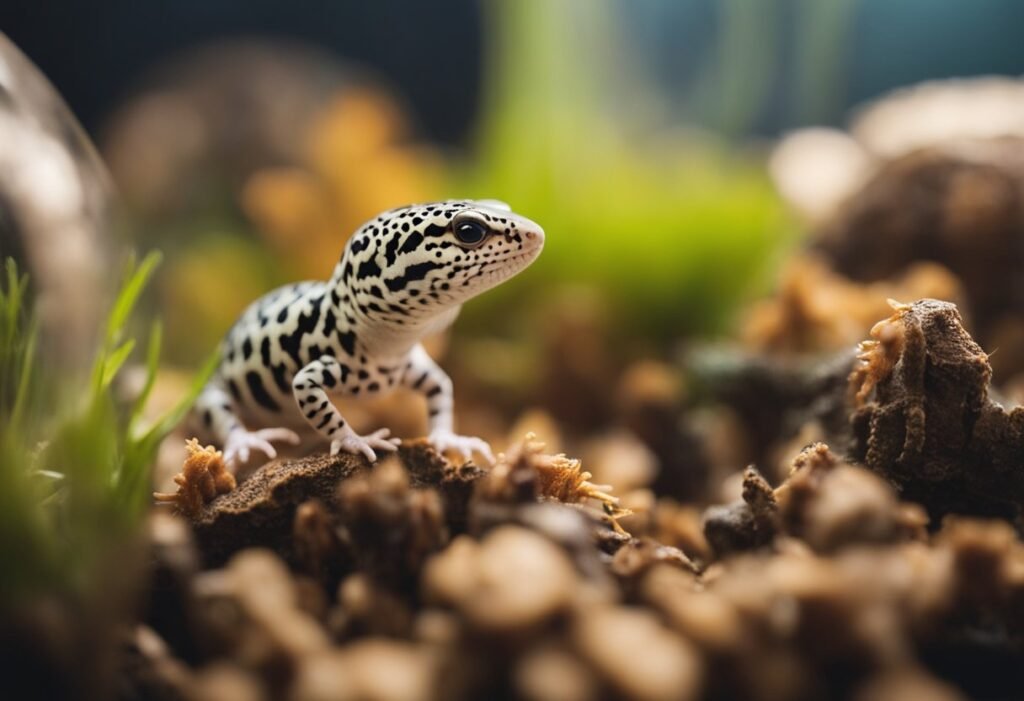
As responsible pet owners, it is important to keep a close eye on our leopard geckos’ health to ensure they are happy and thriving. Below are two key areas to monitor:
Weight Tracking
Regularly monitoring your leopard gecko’s weight is essential to ensure they are maintaining a healthy weight. We recommend weighing your gecko once a month and keeping a record of their weight in a notebook or spreadsheet.
If you notice a sudden drop in weight, it could be a sign of illness or stress. On the other hand, if your gecko is gaining weight rapidly, it may be an indication that they are overeating or not getting enough exercise.
Stool Examination
Another important aspect of monitoring your leopard gecko’s health is checking their stool. A healthy gecko should produce firm, well-formed stools. If you notice any changes in the consistency, color, or frequency of their stools, it could be a sign of an underlying health issue.
We recommend examining your gecko’s stool once a week and keeping a record of any changes. If you notice any concerning changes, such as diarrhea or blood in their stool, it is important to seek veterinary care immediately.
By regularly monitoring your leopard gecko’s weight and stool, you can catch any potential health issues early and ensure they receive prompt and proper care.
Frequently Asked Questions
What is the appropriate size of Dubia roaches to feed a leopard gecko?
Adult leopard geckos can eat adult Dubia roaches, but it’s important to make sure the roaches are not too large for your gecko to handle. We recommend feeding roaches that are no larger than the width of your gecko’s head.
How many Dubia roaches should you feed a leopard gecko in one meal?
The number of Dubia roaches you should feed your leopard gecko in one meal depends on several factors, including the age and size of your gecko, as well as its individual appetite. As a general rule, you can offer 2-3 appropriately sized roaches per feeding.
Is it safe to leave Dubia roaches in a leopard gecko’s tank?
It is generally safe to leave Dubia roaches in a leopard gecko’s tank, as long as the roaches are appropriately sized and your gecko is able to consume them. However, it’s important to monitor your gecko’s feeding habits and remove any uneaten roaches from the tank to prevent them from bothering your gecko or damaging its skin.
Can Dubia roaches harm leopard geckos by biting them?
Dubia roaches are not known to bite leopard geckos, and are generally considered safe to feed as a staple part of their diet. However, it’s important to ensure that the roaches are appropriately sized and that your gecko is able to eat them without difficulty.
Are there any risks associated with leopard geckos eating common household roaches?
While leopard geckos are able to eat some common household roaches, such as Dubia roaches, other types of roaches may carry harmful bacteria or parasites that could make your gecko sick. It’s important to avoid feeding your gecko any roaches that may be contaminated, and to only feed them roaches that are bred specifically for reptile consumption.
Do leopard geckos benefit more from a diet of Dubia roaches compared to crickets?
Both Dubia roaches and crickets can be a healthy part of a leopard gecko’s diet, and each has its own unique nutritional benefits. However, many reptile owners prefer Dubia roaches because they are less likely to carry parasites and have a higher protein content than crickets. Ultimately, the choice between Dubia roaches and crickets comes down to personal preference and the individual needs of your gecko.