Pets bring joy, companionship, and emotional comfort to millions of households. However, even the most loving animals can sometimes react unexpectedly. Understanding when pets bite, why it happens, and how to prevent injuries can help create a safer environment for both owners and visitors.
In this guide, you’ll learn the common causes of pet bites, early warning signs of aggression, prevention strategies, treatment steps, and what actions to take after an incident.

Understanding Pet Bites and Injury Risks
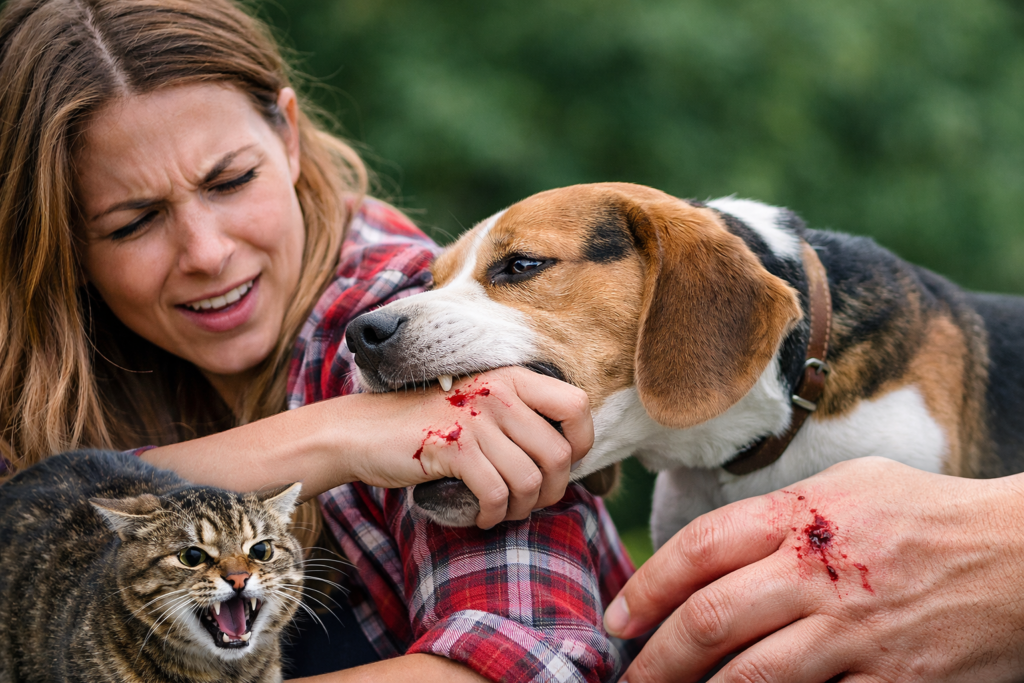
Pet bite injuries can range from minor scratches to deep wounds requiring medical care. Teeth wounds are often clean but deep and may bleed heavily, while nail scratches are jagged and more prone to infection.
If a bite occurs, immediately clean the wound using soap and water. Apply pressure with a clean cloth to stop bleeding. Seek medical attention if the wound is deeper than a quarter inch or continues bleeding.
Infections can develop quickly if wounds are untreated. Signs such as redness, swelling, or pus indicate the need for professional care. Minor wounds can be treated using over-the-counter antibiotic ointments and sterile bandages.
If you were bitten by someone else’s pet, your legal options depend on injury severity. In serious situations, consulting a personal injury lawyer may help recover treatment costs and protect your rights.
Common Causes of Pet Bites
Animals usually bite as a response to fear, stress, excitement, or perceived threats. Understanding triggers can significantly reduce the likelihood of injury incidents.
According to medical guidance on bites, recognizing behavior signals early is essential for prevention.
Fear: Pets may bite when startled or approached too quickly.
Excitement: Overstimulation during playtime can cause accidental biting.
Territorial behavior: Animals often protect their food, toys, or living space.
Pain or illness: Injured pets may react aggressively when touched.
Lack of socialization: Pets unfamiliar with people or environments feel unsafe and defensive.


Infographic Provided By car injury attorneys Atlanta Company, Van Sant Law
How to Prevent Pet Bites and Injury Incidents
Preventing pet bite incidents begins with understanding behavior and creating a safe interaction environment. Responsible ownership plays a major role in reducing risks.
Follow these proven safety tips:
Observe body language: Signs like yawning, pacing, growling, or stiff posture indicate stress.
Avoid sudden movements: Approach pets calmly and slowly.
Teach children safe interaction habits: Kids should avoid pulling ears, tails, or disturbing pets while eating.
Spay or neuter pets: This reduces aggressive tendencies in many animals.
Encourage early socialization: Pets exposed to people and environments early develop confidence and calm responses.
Learn more safety practices in this helpful guide about our pets.
Warning Signs Your Pet May Become Aggressive
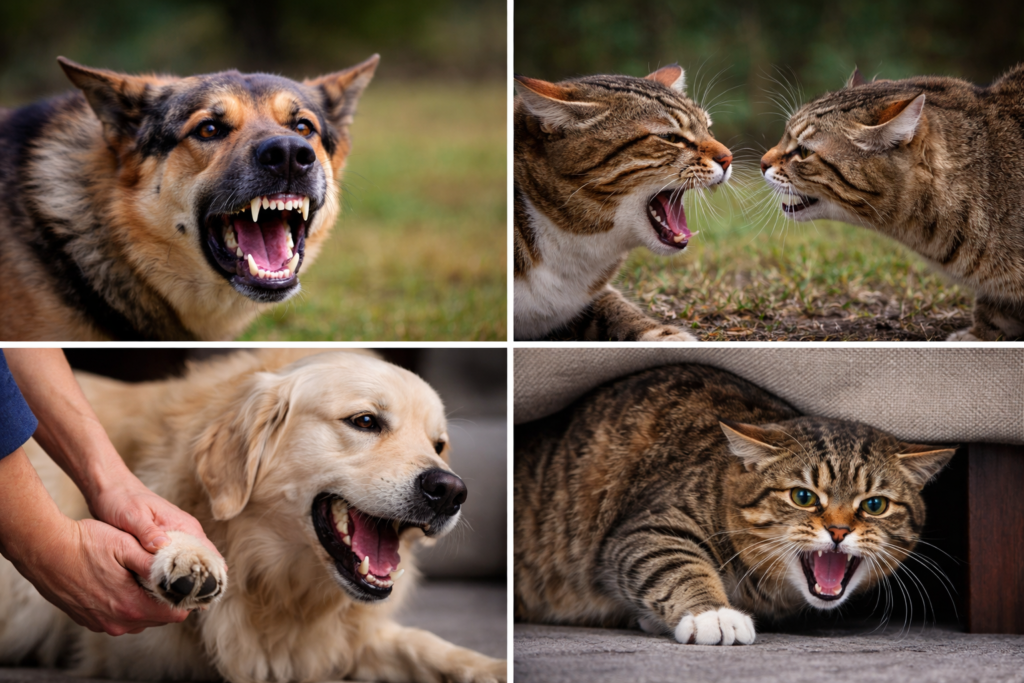
Recognizing early warning signs can prevent dangerous incidents before they occur.
Growling or baring teeth: Indicates discomfort or fear.
Snapping at other animals: Suggests territorial or defensive behavior.
Resistance to handling: Often signals pain or illness.
Sudden behavioral changes: May indicate underlying medical conditions requiring veterinary attention.
Treatment for Pet Bite Injuries
Prompt treatment reduces infection risks and speeds healing. If bitten, follow these steps immediately:
• Wash the wound thoroughly with soap and water
• Apply pressure to stop bleeding
• Cover with a sterile bandage
• Keep the wound clean and dry
• Monitor for infection symptoms
Always seek medical attention if the bite is deep, painful, or caused by an unfamiliar animal.
Why Understanding Pet Behavior Prevents Future Incidents
Pets communicate primarily through body language. Learning these signals helps owners respond appropriately and prevent injuries. Training, patience, and supervision greatly reduce bite risks.
With proper awareness and proactive care, pets remain safe, loving companions while minimizing unexpected injury situations.
Frequently Asked Questions About When Pets Bite
Why do pets bite their owners?
Pets usually bite due to fear, stress, pain, territorial instincts, or overstimulation during play.
Are pet bites dangerous?
Yes. Even minor bites can lead to infections and should always be cleaned and monitored carefully.
How can I stop my pet from biting?
Proper training, socialization, supervision, and recognizing warning signs significantly reduce biting behavior.
Should I see a doctor after a pet bite?
Medical care is recommended if the wound is deep, bleeding heavily, or shows infection symptoms.
Can vaccinated pets still cause infections?
Yes. Even vaccinated pets can introduce bacteria into wounds, so proper cleaning and monitoring remain essential.
When should I contact a lawyer after a pet bite?
If the injury requires medical treatment or causes financial loss, consulting a legal professional may help recover damages.