

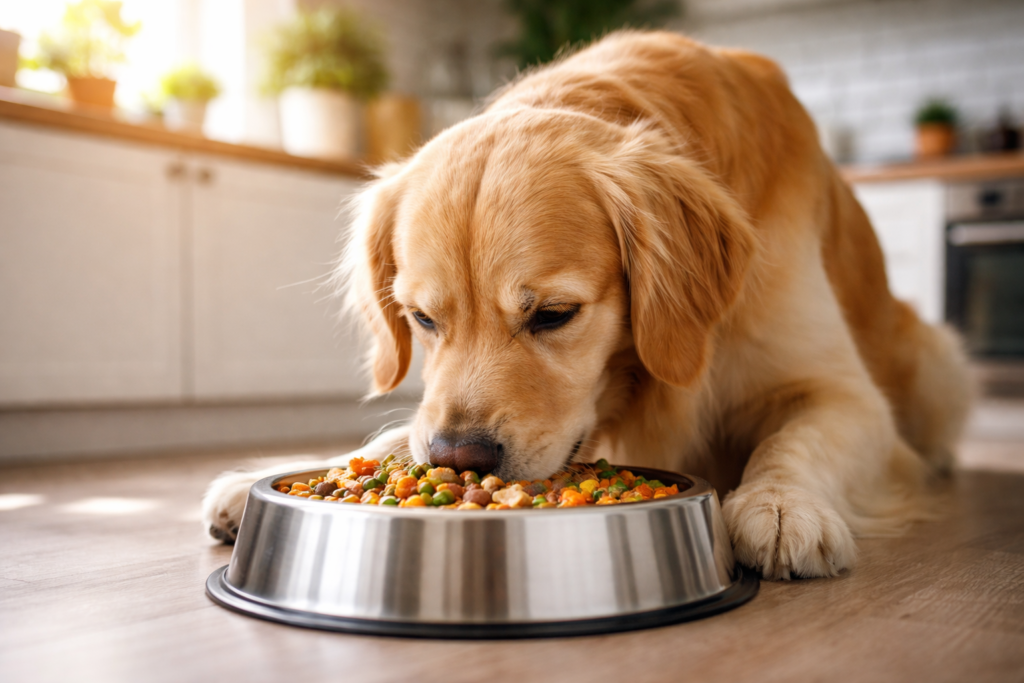
If you’re wondering how to improve dog digestion, you’re not alone. Digestive problems in dogs are common and can lead to symptoms like diarrhea, vomiting, gas, constipation, and reduced appetite. A healthy digestive system helps your dog absorb nutrients properly, maintain strong immunity, and stay energetic.
In this guide, you’ll learn practical ways to improve your dog’s digestion naturally through diet, hydration, exercise, probiotics, and lifestyle adjustments.
Why Good Digestion Is Important for Dogs
Your dog’s digestive system plays a major role in overall health. When digestion is working properly, nutrients from food are absorbed efficiently, supporting growth, energy levels, and immune defense.
Poor digestion may cause:
- Loose stools or constipation
- Excessive gas
- Vomiting
- Weight loss
- Dull coat appearance
- Low energy levels
Improving digestion early helps prevent serious long-term health problems.
Feed High-Quality Dog Food
The easiest way to improve dog digestion is by choosing high-quality dog food made with natural ingredients and fewer fillers. Avoid artificial preservatives, corn, soy, and by-products whenever possible.
Look for foods containing:
- Real meat protein
- Digestible carbohydrates
- Natural fiber sources
- Essential fatty acids
- Probiotics
You can also read our internal guide on dog nutrition basics to choose the best meals for your pet.
Add Probiotics for Better Gut Health
Probiotics are beneficial bacteria that help balance your dog’s digestive system. They improve nutrient absorption and reduce stomach upset.
Natural probiotic sources include:
- Plain yogurt (unsweetened)
- Kefir
- Vet-approved probiotic supplements
According to the American Kennel Club, probiotics support digestion and strengthen immune function in dogs.
Include Fiber in Your Dog’s Diet
Fiber keeps bowel movements regular and supports healthy gut bacteria. It helps prevent both diarrhea and constipation.
Safe fiber-rich foods include:
- Pumpkin
- Carrots
- Sweet potatoes
- Green beans
Learn more about safe fruits in our article can dogs eat bananas.
Keep Your Dog Hydrated
Water plays a critical role in digestion. Proper hydration helps food move smoothly through the digestive tract and prevents constipation.
Tips to increase hydration:
- Provide fresh water daily
- Add water to dry kibble
- Offer moisture-rich foods
- Use pet-safe broth occasionally
Feed Smaller, Frequent Meals
Large meals can overload your dog’s digestive system. Instead, divide food into two or three smaller meals throughout the day.
This helps:
- Improve nutrient absorption
- Reduce bloating risk
- Prevent stomach discomfort
Encourage Regular Exercise
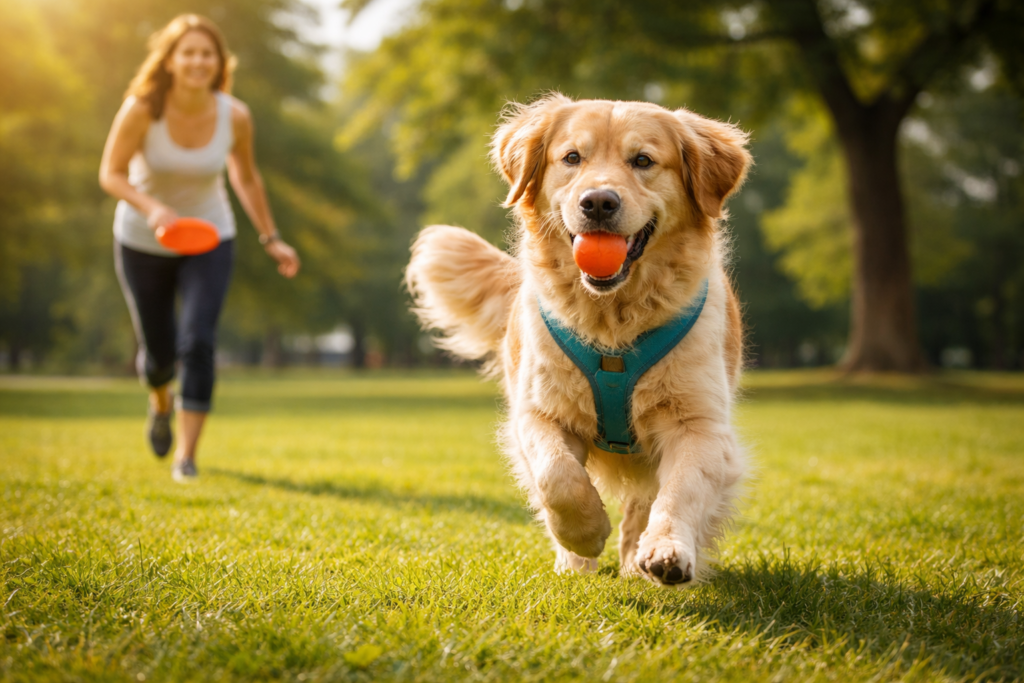
Physical activity stimulates intestinal movement and improves digestion naturally. Even moderate daily exercise helps regulate bowel function.
Good exercise options include:
- Daily walks
- Playtime
- Light training sessions
- Outdoor activities
Avoid Sudden Food Changes
Switching food too quickly can upset your dog’s stomach. Always transition gradually over 7–10 days.
Transition method:
- Day 1–3: 25% new food
- Day 4–6: 50% new food
- Day 7–9: 75% new food
- Day 10: 100% new food
Reduce Stress and Anxiety
Stress can negatively affect digestion in dogs. Anxiety may lead to diarrhea, appetite loss, or vomiting.
Ways to reduce stress include:
- Maintaining a feeding routine
- Providing comfortable sleeping areas
- Ensuring regular exercise
- Offering mental stimulation toys
Limit Table Scraps and Processed Treats
Human food often contains spices, fats, and ingredients harmful to dogs. Avoid feeding leftovers regularly.
Instead, choose healthy treats like:
- Carrot slices
- Apple pieces (seedless)
- Plain boiled chicken
- Vet-approved treats
You can also check toxic foods listed by the ASPCA Animal Poison Control Center.
Watch for Signs of Digestive Problems
Contact a veterinarian if your dog shows:
- Persistent diarrhea
- Frequent vomiting
- Blood in stool
- Sudden weight loss
- Loss of appetite
Early treatment prevents serious complications.
Natural Supplements That Support Dog Digestion
Some supplements help improve digestive health safely when approved by your vet:
- Digestive enzymes
- Fish oil
- Pumpkin powder
- Prebiotic fiber blends
These support gut bacteria balance and nutrient absorption.
Frequently Asked Questions (FAQs)
What helps dogs digest food better?
High-quality food, probiotics, fiber-rich vegetables, hydration, and regular exercise all improve digestion in dogs.
Can probiotics improve dog digestion?
Yes. Probiotics restore healthy gut bacteria and reduce symptoms like diarrhea, gas, and bloating.
Is pumpkin good for dog digestion?
Pumpkin is an excellent fiber source that helps regulate bowel movements and supports digestive health.
How long does it take to improve digestion in dogs?
Most dogs show improvement within a few days after dietary adjustments, though long-term gut health may take several weeks.
When should I take my dog to the vet for digestion problems?
Visit a veterinarian if symptoms last longer than 48 hours or include vomiting, blood in stool, or weight loss.
Conclusion
Knowing how to improve dog digestion can significantly enhance your pet’s comfort and long-term health. With balanced nutrition, probiotics, hydration, exercise, and stress management, most digestive issues can be prevented naturally. Always monitor symptoms and consult your veterinarian when necessary to keep your dog happy and healthy. 🐾