
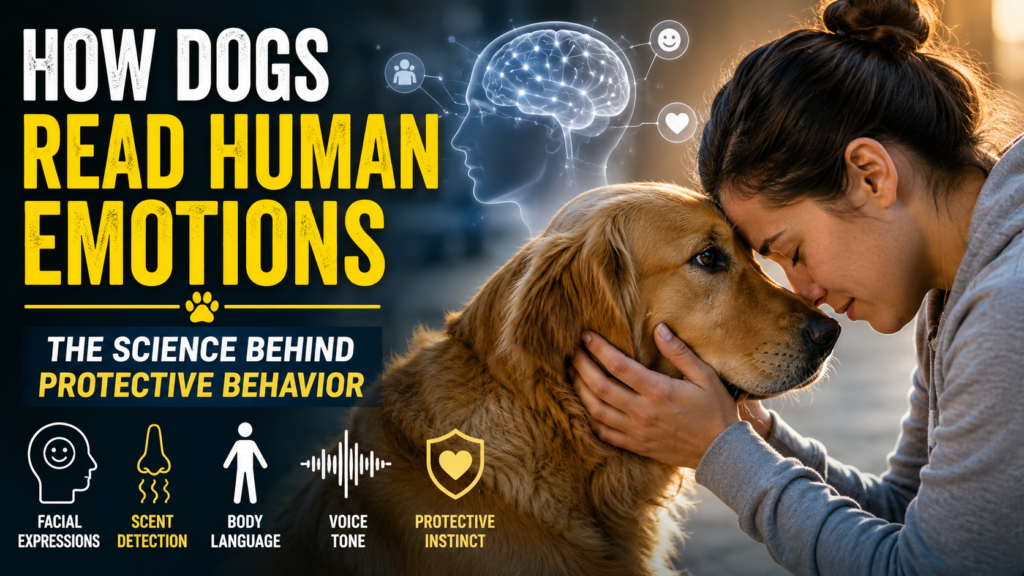

Dogs have lived alongside humans for thousands of years, developing an extraordinary ability to understand our behavior, emotions, and intentions. Many dog owners have experienced moments when their dog seemed to sense sadness, anxiety, stress, or excitement before anyone else noticed.
How Dogs Read Human Emotions: The Science Behind Protective Behavior
But is this simply intuition, or is there actual science behind it?
Research suggests that dogs possess remarkable social intelligence, allowing them to read human emotions through a combination of visual cues, vocal signals, body language, and even scent. This ability plays an important role in everyday companionship, but it becomes especially valuable in highly trained working and protection dogs, where accurate interpretation of human behavior can be critical.
Dogs Are Constant Observers
Unlike humans, who often rely heavily on spoken language, dogs primarily communicate through observation.
From the moment they enter a room, dogs begin gathering information about the people around them. They pay attention to:
- Facial expressions
- Posture and body position
- Movement patterns
- Voice tone and volume
- Eye contact
- Breathing changes
While we may not consciously notice these subtle signals, dogs process them continuously.
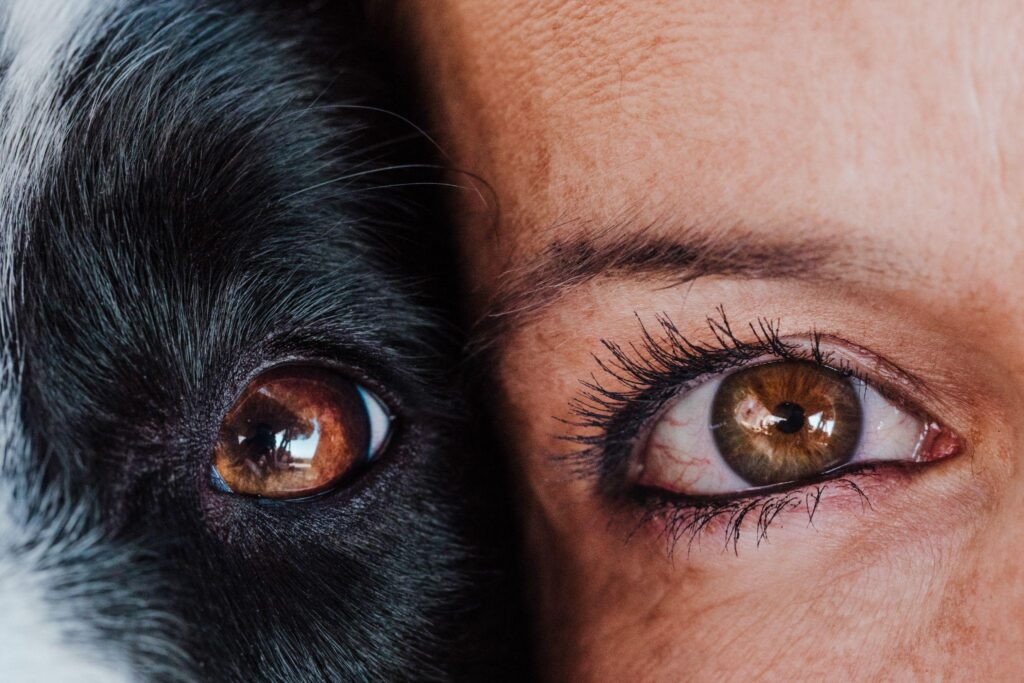
Studies have shown that dogs can distinguish between happy and angry human facial expressions and often respond differently depending on the emotional state they perceive.
This sensitivity helps explain why many dogs naturally approach owners who are upset or remain close during stressful situations.
The Power of Canine Smell
Perhaps the most remarkable tool dogs possess is their sense of smell.
A dog’s nose contains up to hundreds of millions of scent receptors, vastly outperforming human olfactory capabilities. Because of this, dogs can detect changes in human body chemistry that occur during emotional experiences.
When a person experiences stress, fear, anxiety, or excitement, the body releases hormones such as cortisol and adrenaline. These chemical changes can alter a person’s scent profile in ways that dogs can detect.
Research suggests that dogs may be capable of identifying:
- Stress-related scent changes
- Elevated cortisol levels
- Fear responses
- Increased adrenaline production
This means a dog may recognize emotional distress before any visible behavioral signs appear.


Reading Human Body Language
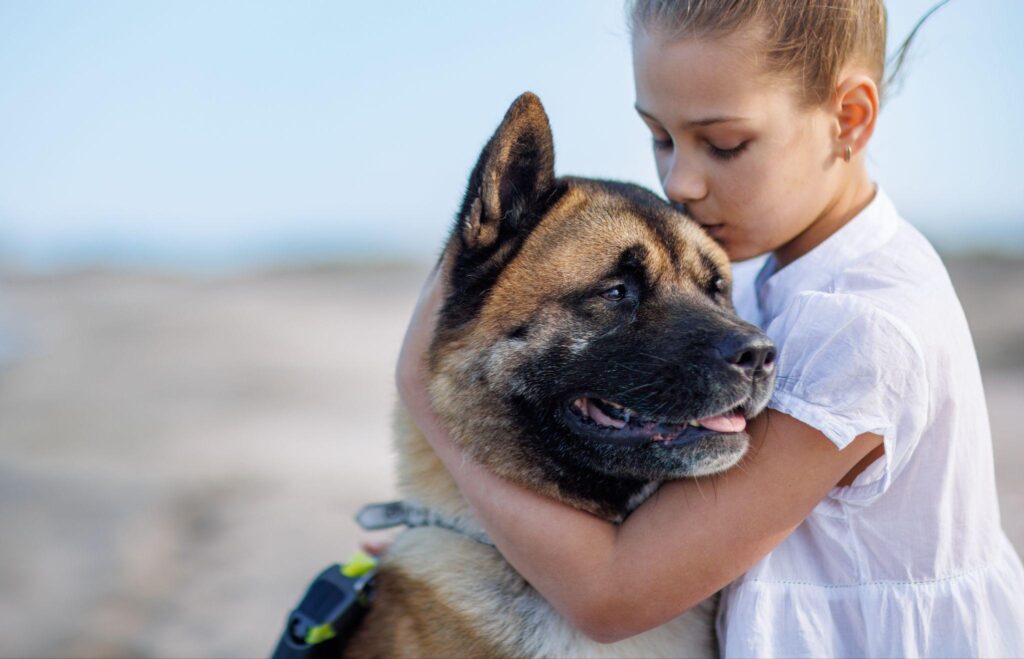
Dogs are experts at interpreting body language.
A tense posture, sudden movement, avoidance behavior, or unusual walking pattern can immediately attract a dog’s attention.
Many behaviorists believe dogs have evolved specifically to understand human movement because successful cooperation with people offered a survival advantage throughout domestication.
This ability explains why dogs often react differently to:
- Confident strangers
- Nervous visitors
- Intoxicated individuals
- Aggressive body language
- Calm and relaxed people
Importantly, well-socialized dogs learn not to overreact to these observations. Instead, they gather information and adjust their behavior accordingly.
Emotional Intelligence in Dogs
The concept of emotional intelligence is often associated with humans, but many experts believe dogs demonstrate a form of emotional awareness that allows them to adapt to social situations effectively.
Emotionally intelligent dogs tend to:
- Remain calm under pressure
- Adapt quickly to changing environments
- Show empathy toward family members
- Respond appropriately to social cues
- Recover rapidly from stressful experiences
These qualities are especially valuable in family environments where dogs interact with children, guests, and unfamiliar situations on a regular basis.
Not every dog possesses the same level of emotional stability. Genetics, early socialization, training, and life experiences all contribute to how effectively a dog can interpret and respond to human emotions.
Why This Matters in Protection Dogs
One of the biggest misconceptions about protection dogs is that they are trained to be aggressive.
In reality, the most effective protection dogs are often among the most emotionally stable dogs in the world.
Elite protection dogs are carefully selected for traits such as:
- Nerve strength
- Confidence
- Environmental stability
- Social neutrality
- Self-control
- Clear decision-making
Rather than reacting emotionally to every unusual situation, a professionally trained protection dog learns to assess circumstances calmly.
This distinction is critical.
A dog that reacts impulsively to fear or stress may become unpredictable. A properly trained protection dog remains composed, processes information, and responds only when genuinely necessary.
In many cases, the ability to accurately read human behavior is more important than physical strength or defensive capability.
The Difference Between Awareness and Reactivity
Many pet owners assume that a dog who barks frequently is naturally protective.
However, excessive reactivity and genuine protective behavior are not the same thing.
Reactive dogs often respond to:
- Unfamiliar sounds
- New people
- Sudden movements
- Environmental changes
Protective behavior, on the other hand, involves judgment and control.
A stable dog can recognize that a delivery driver, a neighbor, or a guest does not present a threat. The dog remains neutral rather than becoming emotionally aroused.
This ability to distinguish between normal activity and genuine concern is one of the hallmarks of advanced training and proper temperament.
What Pet Owners Can Learn
Understanding how dogs interpret human emotions can help owners strengthen their relationship with their pets.
Simple habits can improve communication and trust:
Remain Consistent
Dogs thrive when expectations remain predictable. Consistent routines and behavior create confidence.
Pay Attention to Your Own Energy
Dogs often mirror human emotions. Calm leadership frequently produces calmer canine behavior.
Prioritize Socialization
Exposure to different environments, people, and experiences helps dogs develop emotional resilience.
Reward Stability
Many owners accidentally reward excitement or anxiety. Reinforcing calm behavior encourages balanced responses.
Learn Canine Body Language
Understanding signs of stress, confidence, uncertainty, or relaxation allows owners to better support their dogs.
The Human-Dog Bond
Perhaps the most fascinating aspect of canine emotional intelligence is how it strengthens the bond between people and dogs.
Over thousands of years, dogs have evolved alongside humans in a way that no other domestic species has. They have become uniquely skilled at reading our emotions, interpreting our behavior, and adapting to our lives.
Whether they serve as family companions, therapy animals, service dogs, or highly trained protection dogs, their ability to understand people remains one of their most extraordinary traits.
Final Thoughts
Dogs are not mind readers, but they are exceptional observers.
Through a combination of scent detection, body language analysis, facial recognition, and emotional awareness, dogs gather an enormous amount of information about the people around them every day.
This remarkable ability helps explain why dogs are such effective companions and why the world’s best protection dogs are selected not for aggression, but for stability, intelligence, and sound judgment.
The more we understand how dogs perceive human emotions, the better we can communicate with them, train them, and build the trust that forms the foundation of every successful human-canine relationship.