

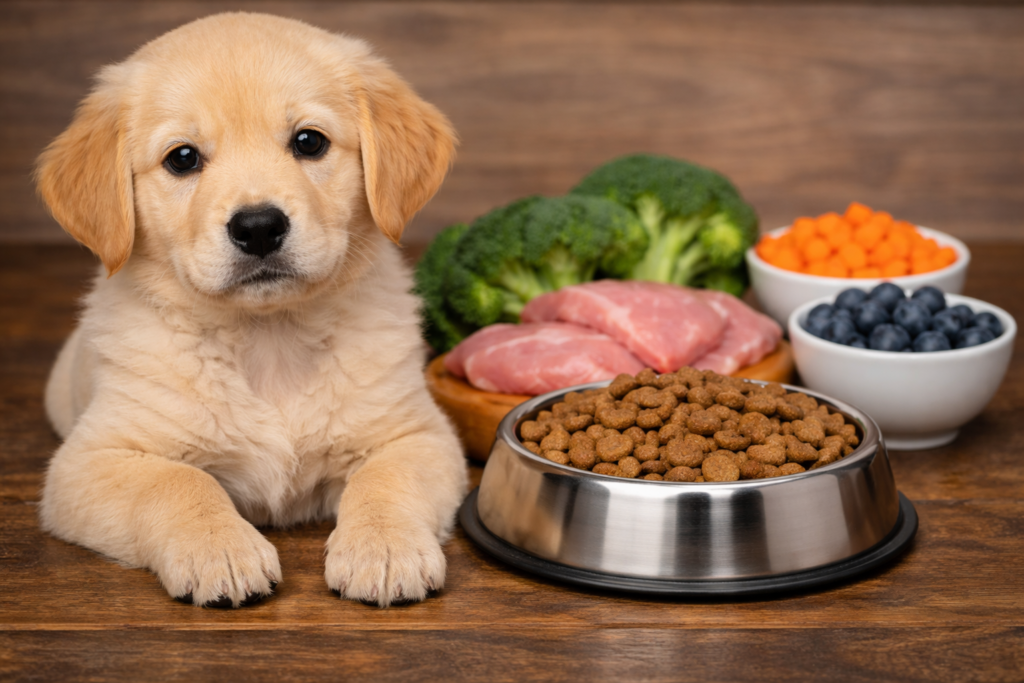
🐾 Best Dog Food for Puppies with Allergies
Choosing the best dog food for puppies with allergies is essential for your puppy’s growth, comfort, and long-term health. Food allergies in puppies can cause itching, digestive issues, and even poor development if not managed properly.
In this guide, you’ll learn how to choose the right food, what ingredients to avoid, and the best options available today.
🐕 Common Signs of Food Allergies in Puppies
Before switching food, look for these symptoms:
- Constant itching or scratching
- Red or inflamed skin
- Ear infections
- Vomiting or diarrhea
- Excessive licking of paws
👉 If your puppy shows these signs, diet could be the cause.
🥩 What Causes Food Allergies in Puppies?
Most puppy food allergies are triggered by common protein or grain ingredients, such as:
- Chicken
- Beef
- Dairy
- Wheat
- Soy
👉 That’s why switching to limited ingredient or hypoallergenic dog food helps.
🥗 What to Look for in Hypoallergenic Puppy Food
When choosing the best dog food, focus on:
✅ Limited Ingredients
Fewer ingredients = lower allergy risk.
✅ Novel Proteins
Try uncommon protein sources like:
- Salmon
- Duck
- Lamb
- Venison
✅ Grain-Free or Sensitive Formulas
Helps puppies with grain intolerance.
✅ No Artificial Additives
Avoid:
- Preservatives
- Artificial colors
- Fillers
🏆 Best Dog Food Options for Puppies with Allergies
Here are some popular and effective choices:
1. Limited Ingredient Puppy Food
- Contains fewer allergens
- Easy to digest
2. Grain-Free Puppy Food
- Ideal for sensitive stomachs
- Reduces inflammation
3. Hydrolyzed Protein Diets
- Proteins broken down to avoid immune reaction
- Often recommended by vets
4. Fresh or Human-Grade Dog Food
- High-quality ingredients
- No hidden allergens
⚠️ Ingredients to Avoid
To prevent allergic reactions, avoid foods containing:
- Artificial flavors
- Corn and soy fillers
- By-products
- High dairy content
🐾 Tips for Switching Puppy Food
Changing food too quickly can worsen symptoms. Follow these steps:
- Mix new food with old food (25%)
- Gradually increase over 7–10 days
- Monitor for reactions
🧠 Pro Tips for Managing Puppy Allergies
- Keep a food journal
- Stick to one protein source
- Avoid frequent diet changes
- Consult a vet for severe cases
❓ FAQs – Best Dog Food for Puppies with Allergies
1. What is the best protein for puppies with allergies?
Novel proteins like salmon, duck, and lamb are usually best because they are less likely to trigger allergies.
2. Is grain-free food better for allergic puppies?
Yes, in many cases. Grain-free food can help if your puppy is sensitive to wheat or corn.
3. How do I know if my puppy has a food allergy?
Common signs include itching, diarrhea, ear infections, and skin irritation.
4. Can puppies outgrow food allergies?
Some puppies may improve over time, but many require long-term dietary management.
5. How long does it take to see improvement after changing food?
Usually within 2–6 weeks after switching to hypoallergenic food.
<script type="application/ld+json">
{
  "@context": "https://schema.org",
  "@type": "FAQPage",
  "mainEntity": [
    {
      "@type": "Question",
      "name": "What is the best protein for puppies with allergies?",
      "acceptedAnswer": {
        "@type": "Answer",
        "text": "Novel proteins like salmon, duck, and lamb are usually best because they are less likely to trigger allergies."
      }
    },
    {
      "@type": "Question",
      "name": "Is grain-free food better for allergic puppies?",
      "acceptedAnswer": {
        "@type": "Answer",
        "text": "Yes, in many cases. Grain-free food can help if your puppy is sensitive to wheat or corn."
      }
    },
    {
      "@type": "Question",
      "name": "How do I know if my puppy has a food allergy?",
      "acceptedAnswer": {
        "@type": "Answer",
        "text": "Common signs include itching, diarrhea, ear infections, and skin irritation."
      }
    },
    {
      "@type": "Question",
      "name": "Can puppies outgrow food allergies?",
      "acceptedAnswer": {
        "@type": "Answer",
        "text": "Some puppies may improve over time, but many require long-term dietary management."
      }
    },
    {
      "@type": "Question",
      "name": "How long does it take to see improvement after changing food?",
      "acceptedAnswer": {
        "@type": "Answer",
        "text": "Usually within 2–6 weeks after switching to hypoallergenic food."
      }
    }
  ]
}
</script>